Movies and TvShows featuring "exiled-artist" theme.

Prades, France, 1940s. The exiled Catalan cellist Pau Casals decides not to perform any more in public until the fall of the dictatorship that oppresses Spain. Pierre, a young Frenchman studying with Casals, tries to convince him to celebrate an extraordinary concert as a tribute to freedom.

Bertolt Brecht asked whether there would be singing in the dark times. In the throes of war, the United Ukrainian Ballet Company defiantly insists there will be dancing, too. Far from the land they call home, young dancers take quiet comfort from art. For a while, their work feels like the old days, except there is a new troupe member: a soldier learning to dance with prosthetic legs.

They grew up in the land of dictators and surveillance, where images are censored, photos are burned, thoughts are discreet, and mouths are kept shut. They grew up in Syria.

80 years are gone since The Little Prince was released. Author Antoine de Saint-Exupéry was also a pilot, and we follow his last four years from his US exile to when his plane in 1944 disappeared over The Mediterranean without any trace.
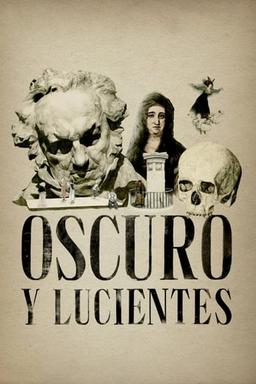
Bordeaux, France, 1828. Spanish painter Francisco de Goya y Lucientes dies in his French exile on April 16th and is buried in the local cemetery. Nobody, not even his only living son, Javier, claims his body. In 1888, after years of paperwork, the Spanish consul Pereyra finally obtains permission to exhume Goya's remains with the purpose to bury them in Spain. When the crypt is opened, the gravediggers make a discovery as macabre as it is stunning…


September 1945. South of France. War is over. Three young artists reunite to discuss the future. One of them, Nicolas, presents a plan for all the new corporations that are going to grow soon, in which advertising and art can merge. But Raphaël thinks differently. He wants fresh air and poetry. Therefore, he leaves. Choosing the freedom of nature like a young bohemian artist.
No More results found.