Movies and TvShows featuring "ethnographical" theme.

An experimental ethnographic documentary that criticizes the colonizer view of anthropology.

Short ethnographic documentary on the Tetela tribe in Congo based upon footage and commentary by director Luc de Heusch from 1953 reassembled by Damien Mottier (Université Paris Nanterre) and Grace Winter (CINEMATEK).
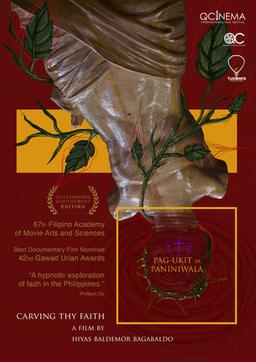
A five-year visual ethnography of traditional yet practical orchestration of Semana Santa in a small town where religious woodcarving is the livelihood. An experiential film on neocolonial Philippines’ interpretation of Saints and Gods through many forms of rituals and iconographies, exposing wood as raw material that undergoes production processes before becoming a spiritual object of devotion. - A sculpture believed to have been imported in town during Spanish colonial conquest, locally known as Mahal na Señor Sepulcro, is celebrating its 500 years. Meanwhile, composed of non-actors, Senakulo re-enacts the sufferings and death of Jesus. As the local community yearly unites to commemorate the Passion of Christ, a laborious journey unfolds following local craftsmen in transforming blocks of wood into a larger than life Jesus crucified on a 12-ft cross.

Early Mondo film featuring primitive rituals, animals being butchered, unusual birth defects, and a legit trepanation scene.

This first co-production of the Soviet and Indian cinematographers is dedicated to the Tver merchant Afanasy Nikitin who in 1466-1472 blazed the trade way from Europe to India. The film is based on Nikitin’s travel notes. Starring in the film are popular Russian actor Oleg Strizhenov and India’s 1950s movie star Nargis.

Ghostland: The View of the Ju'Hoansi(2016)
 25%Tomatometer
Remember the culture clash in THE GODS MUST BE CRAZY? This time it's real. One of the most ancient cultures on our planet is undergoing a major change. The Ju/Hoansi Bushmen in Namibia are not allowed to hunt anymore and need to converge with our so called “civilized” lifestyle. For the first time the Ju/Hoansi Bushmen travel through the Kalahari and then right into the heart of Europe. What starts as a look at their fascinating culture becomes an even more fascinating look at our Western lifestyle. A warm and humorous reflection of our habits through the eyes of people who are about to give up their million year old traditions.
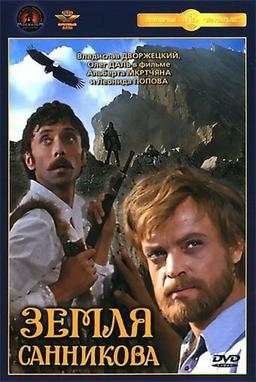
The Sannikov Land follows an expedition in search of a legendary, uncharted land hidden deep within the Arctic region. As the team faces various obstacles and dangers, they uncover a world filled with hidden civilizations, ancient mysteries, and stunning landscapes.
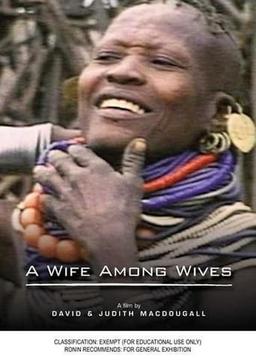
David and Judith MacDougall are exploring the marriage rituals and roles of Turkana women in this ethnographic documentary. The film's biggest part is taken up by talks between the Turkana people. As one of the first ethnographic documentaries "A Wife Among Wives" subtitles these talks so that the viewer can get a better and probably more personal understanding of the life of the Turkana.
Two parallel stories about unhappy marriages that take place during inter-war period in the Banat village within Romanian ethnic minority in Serbia.
This provocative and profound film documents the Choqela ceremony, an agricultural ritual and song of the Aymara Indians of Peru. By offering several different translations of the proceedings, the film acknowledges the problems of interpretation as an inherent dilemma of anthropology.
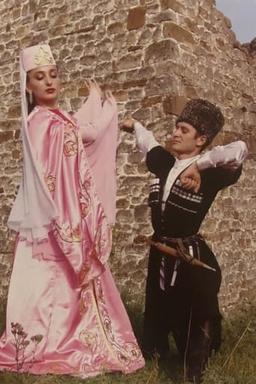
Film about the singing and dancing culture of the Ingush people
Short ethnographic documentary showing a leopard dance based upon footage shot by director Luc de Heusch in Congo in 1954 reassembled by Damien Mottier (Université Paris Nanterre) and Grace Winter (CINEMATEK).

As retailers, wholesalers, and negotiators, Asante women of Ghana dominate the huge Kumasi Central Market amid the laughter, argument, colour and music. The crew of this `Disappearing World' film have jumped into the fray, explored, and tried to explain the complexities of the market and its traders. As the film was to be about women traders, an all female film crew was selected and the rapport between the two groups of women is remarkable. The relationship was no doubt all the stronger because the anthropologist acting as advisor to the crew, Charlotte Boaitey, is herself an Asante. The people open up for the interviewers telling them about their lives as traders, about differences between men and women, in their perception of their society and also about marriage.

Dukas Dilemma follows the journey of individuals involved in polygamous relationships in Ethiopia, shedding light on the cultural and societal conflicts they face.
Short ethnographic documentary showing some everyday life scenes based upon footage shot by director Luc de Heusch in Congo in 1954 reassembled by Damien Mottier (Université Paris Nanterre) and Grace Winter (CINEMATEK).

Mountain Town is a documentary film that explores the unique snow sports culture and lifestyle in a small mountain town located in the Rocky Mountains. The film takes viewers on a journey through the thrilling world of snowboarding, skiing, and other snow sports, capturing the essence of the town's vibrant community and the breathtaking natural beauty of the Aspen area. Through interviews with locals and stunning footage of epic powder days, Mountain Town provides an in-depth look into the passion and dedication of those who call this snowy paradise home.

The film was made on the basis of the literary version of events in the life of the famous Russian ethnographer, anthropologist, biologist and traveler who studied the indigenous population of South-East Asia, Australia and Oceania.

Wolfram, a Saliva do Lobo is a documentary film that explores the lives of miners in the remote Wolfram village. It delves into the challenges they face and offers an ethnographical perspective on their daily struggles.

Travellers, nomads and salesmen make their way along a dam next to the Nile.

Experimental ethnographic digital feature exploring International student and teacher identity expressed through musical performance at the University of Jinan, Shandong, China.