Movies and TvShows featuring "ethnographic-film" theme.
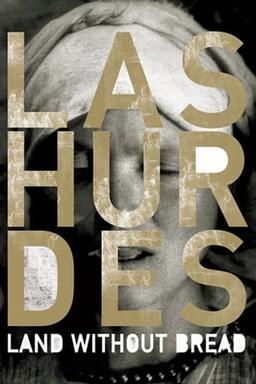
Land Without Bread, a banned film, is a surreal and subversive documentary set in a poverty-stricken village in Spain. It explores the themes of suffering, hardship, and despair through the lives of its inhabitants. The film uses mockumentary and dark comedy elements to shed light on the social and political subtext of the era.
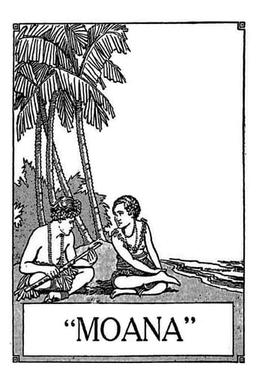
Moana is a documentary film that depicts the lives of Polynesian people in the 1920s. It explores their indigenous culture, family relationships, tattoo art, and dance rituals. The film showcases the beauty and richness of Oceania, specifically Samoa and Polynesia.

Ghostland: The View of the Ju'Hoansi(2016)
 25%Tomatometer
Remember the culture clash in THE GODS MUST BE CRAZY? This time it's real. One of the most ancient cultures on our planet is undergoing a major change. The Ju/Hoansi Bushmen in Namibia are not allowed to hunt anymore and need to converge with our so called “civilized” lifestyle. For the first time the Ju/Hoansi Bushmen travel through the Kalahari and then right into the heart of Europe. What starts as a look at their fascinating culture becomes an even more fascinating look at our Western lifestyle. A warm and humorous reflection of our habits through the eyes of people who are about to give up their million year old traditions.
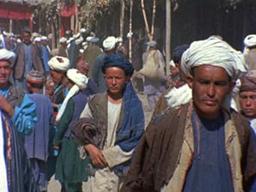
A collage of daily life in Aq Kupruk builds from the single voice that calls the townspeople to prayer, the brisk exchange of the baazar, communal labor in the fields, and the uninhibited sports and entertainment of rural Afghans. The theme of the film focuses on rural society. The film and accompaning instructor notes explore concepts of development, modernization, environmental equilibrium, and especially change, identifying change agents, and analyzing barries and stimulants to change.

The young goat herders from the cliff of Bandiagara practice on the stone drums of their ancestors. An ethnomusicological film experiment describing the subtle plays of the right and left hand of Dogon drummers.
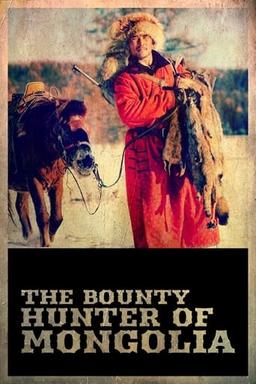
The Bounty Hunter of Mongolia is an ethnographic film that follows the journey of a horse thief in the vast taiga of Mongolia and Siberia. The film explores the life of nomadic people and their relationship with horses, as well as the challenges faced by the horse breeder and tamer.
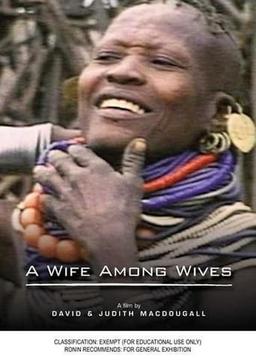
David and Judith MacDougall are exploring the marriage rituals and roles of Turkana women in this ethnographic documentary. The film's biggest part is taken up by talks between the Turkana people. As one of the first ethnographic documentaries "A Wife Among Wives" subtitles these talks so that the viewer can get a better and probably more personal understanding of the life of the Turkana.
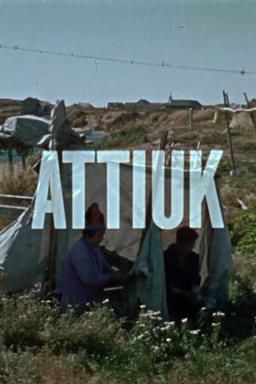
The people of Unamenshipu (La Romaine), an Innu community in the Côte-Nord region of Quebec, are seen but not heard in this richly detailed documentary about the rituals surrounding an Innu caribou hunt. Released in 1960, it’s one of 13 titles in Au Pays de Neufve-France, a series of poetic documentary shorts about life along the St. Lawrence River. Off-camera narration, written by Pierre Perrault, frames the Innu participants through an ethnographic lens. Co-directed by René Bonnière and Perrault, a founding figure of Quebec’s direct cinema movement.
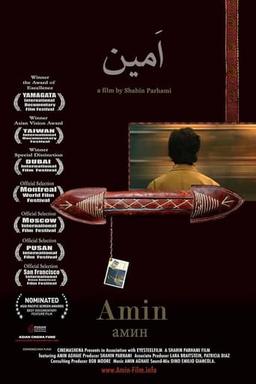
AMIN portrays Qashqai musician Amin Aghaie, a young modern nomad and his family who despite facing steep financial, cultural and political obstacles are dedicated to their art and culture. Amin travels to remote towns and villages to record the music of the surviving masters whose numbers decline each year. His nomadic family are selling their meager belongings to help support their son's education in performance and ethnomusicology at Tchaikovsky's Conservatory in Kyiv, Ukraine, but it is not enough. Amin, desperate to finish his academic education, sells his violins one at a time just to pay for his tuition.
An account of the journey that King Alfonso XIII of Spain made to the impoverished shire of Las Hurdes, in the province of Cáceres, in the region of Extremadura, in 1922.

As retailers, wholesalers, and negotiators, Asante women of Ghana dominate the huge Kumasi Central Market amid the laughter, argument, colour and music. The crew of this `Disappearing World' film have jumped into the fray, explored, and tried to explain the complexities of the market and its traders. As the film was to be about women traders, an all female film crew was selected and the rapport between the two groups of women is remarkable. The relationship was no doubt all the stronger because the anthropologist acting as advisor to the crew, Charlotte Boaitey, is herself an Asante. The people open up for the interviewers telling them about their lives as traders, about differences between men and women, in their perception of their society and also about marriage.
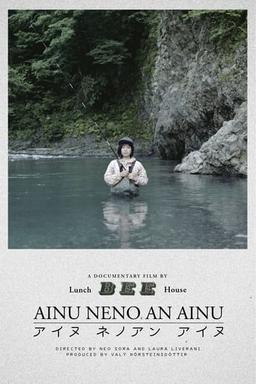
This documentary started as part of a photography project about the indigenous Ainu population in northern Japan, portraying people from tightly knit communities. They feel deeply connected by their culture and tradition. With gorgeous pictures, the directors explore how different generations of Ainu reflect on their identity after centuries of oppression.
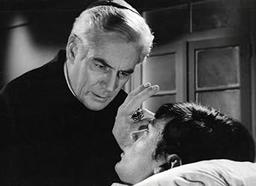
Biopic of Ceferino Namuncurá (1886-1905), son of a Mapuche cacique and a white woman, and the first Indian of South America to be beatified. The film starts out as a war movie, showing his father Manuel battling the Spanish and taking a white woman as his captive bride. But little of interest happens after Ceferino is born. His beatification relies partly on his "miraculous" survival after falling in a stream as a baby, but the film does not present this with any great drama, and plods through the rest of the boy's life with similar tepor. Ceferino does well in school, attracts the interest of a priest, attends a Catholic school in Buenos Aires, and studies for the priesthood in Italy, where he dies of tuberculosis after a few unconvincing coughs.
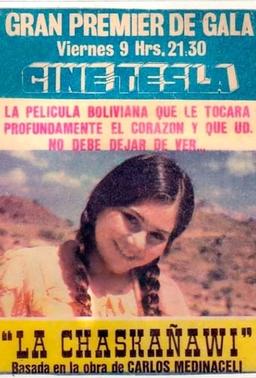
After his father dies, law student Adolfo (Jorge Marchand), returns to his native village in the South of Bolivia, where he falls in love with Claudina Silvia Arévalo, a beautiful chola girl nicknamed La Chaskañawi, which means "girl with big eyes" in Quechua. Falling under her spell, Adolfo forgets about his fiancee in the city, abandons his law studies, and succumbs to alcohol. Based on the 1947 novel La Chaskañawi.

Estonia's first ethnographic film. Made by Johannes Pääsuke in 1913 on his expedition to Setomaa, the South-Eastern region in Estonia.
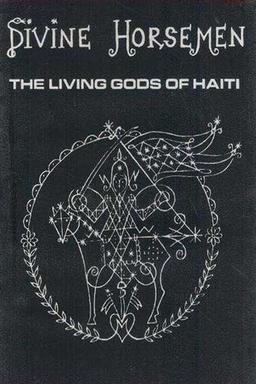
Divine Horsemen: The Living Gods of Haiti is a captivating documentary that delves into the mystical and religious practices of voodoo in Haiti. It explores the fascinating world of voodoo ceremonies, rituals, and the role of spirits in the lives of Haitian people. This surreal and experimental film provides a unique glimpse into the cultural and spiritual traditions of Haiti.
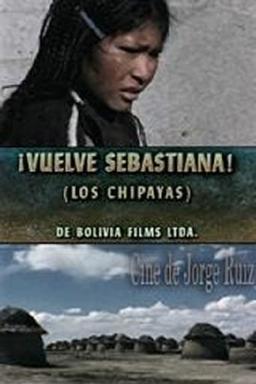
The story of a poor girl who leaves her starving family and sheep for a more prosperous village. Her grandfather finds her and tries to convince her to return to her home.
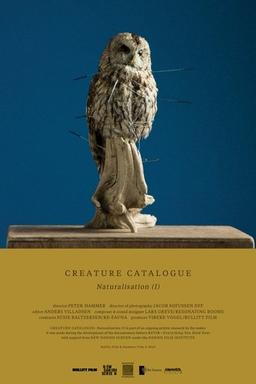

A synaesthetic portrait made between French Polynesia and Brittany, Color-blind follows the restless ghost of Gauguin in excavating the colonial legacy of a post-postcolonial present.