Movies and TvShows featuring "entrance-examination" theme.
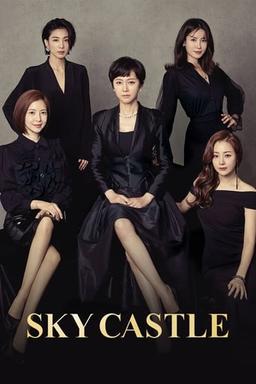
SKY Castle is a dark comedy TV show that revolves around the lives of wealthy families living in Sky Castle, an exclusive neighborhood in South Korea. The story delves into the secrets, scandals, and hidden tragedies that unfold as the characters navigate the pressures of societal expectations, family dynamics, and the intense competition for success. The show tackles various themes such as social commentary, privilege, family pressure, and the dark side of pursuing excellence. It also touches upon issues like betrayal, hidden identity, and the consequences of obsession and greed. With its intriguing plot and sharp satire, SKY Castle is a compelling drama that showcases the complexities of human relationships and the lengths people go to maintain their social status.

Retired ex national team female handball player has become a grocery store owner in order to look after her family while she grapples with her daughter's tutor's eating disorder.

Dragon Sakura is a Japanese drama TV show that follows the story of a high school teacher who takes on the challenge of turning his delinquent students into academic achievers. With a group of troubled and destitute students, he creates an intense academic boot camp to help them succeed in their college entrance exams. Along the way, he faces various challenges and learns valuable life lessons.

Kyoko, a newly-appointed English teacher at a rural but well-respected, prestigious prefectural high school, had spent her childhood and high school years overseas before returning to Japan. Because she lived abroad for a long time, she cannot understand the old-fashioned ideas peculiar to Japan and tends to be frank about what she thinks. On the eve and the day of the school entrance examination, various incidents occur. There is the spectre of someone attempting to wreck the examination for some motive. Everyone present is a potential suspect and the truth remains shrouded in mystery to the end.


Rebels of the Neon God follows the lives of three disaffected teenagers in Taipei, Taiwan. Their paths intertwine as they navigate themes of identity, alienation, and rebellion against societal norms.

Milk the Maid stars newcomer Tia, who is cute, sexy and hot (not necessarily in this order). This erotic comedy tells the story of Milk, a Japanese sexy maid (Tia) who begins living with a Tokyo family. Initially turned off by the prospect of having another mouth to feed, the men of the family are reluctant to accepts Milk, but her irresistible charm kicks in, and she quickly finds her way into their hearts and bedrooms.

Super 30 is a biographical drama film based on the life of mathematician Anand Kumar. The film follows Anand's journey as he overcomes poverty, class conflicts, and personal struggles to establish a coaching class called Super 30. Through this initiative, Anand provides free training to underprivileged students for the Indian Institute of Technology entrance exam, helping them secure admission into prestigious institutions. Along the way, he faces challenges from corrupt politicians, death threats, and assassination attempts, but remains dedicated to his cause. Super 30 also explores Anand's personal life, including his love story and relationship with his students.

Center Stage is a drama, music, and romance movie set in New York City. The film follows a group of young ballet dancers as they compete for a spot in a prestigious dance academy. Along the way, they navigate friendships, relationships, and personal struggles in pursuit of their dreams. The movie explores themes of self-discovery, perseverance, and the sacrifices one must make to succeed in the competitive world of professional dance.

The Family Game is a dark and surreal comedy-drama set in Japan during the Showa era. It follows the story of a dysfunctional family and their struggles with relationships, education, and societal expectations. The film explores the dynamics between the members of the family, including the underachieving son, the strict father who is a salaryman, and the stay-at-home mom. As the family tries to navigate their daily lives, they encounter various challenges and surreal situations that shed light on the complexities of Japanese society and family structures.

After a tragic incident that derails her musical career, a young woman infiltrates the life of a renowned pianist to seek revenge and redemption.

An admiral's son with no interest in carrying on the family tradition is a successful crooner. He finally joins the Navy to prove he can, but with no real love in it.

What Did the Lady Forget? is a 1937 comedy-drama film that follows the story of a forgetful lady and the hilarious and chaotic situations that arise from her forgetfulness. It explores themes of memory, relationships, and the consequences of forgetfulness. Set in Japan, the film showcases the interactions and dynamics among different characters, including a schoolboy, a professor, a maid, and a chauffeur. As the story unfolds, the forgetful lady's memory lapses lead to misunderstandings, comedic mishaps, and unexpected surprises. With its witty dialogue and charming characters, What Did the Lady Forget? is a delightful and entertaining film.

Mikami Yota is smitten with the archery of his older schoolmate Kishimoto, a high school senior who heads the archery club. Mikami clumsily conveys his ardent feelings to An, and she tries to respond to his affections. Their feelings are mutual but somehow things don't go smoothly between them, and then other guys appear on the scene to complicate things.
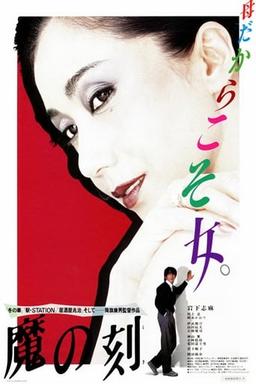
Filled with guilt over his forbidden desires, a young man leaves home and his studies. He finds a new smaller place to stay, a low-paying but satisfying job and a girlfriend. Then his mother, unable to fight her forbidden desires, shows up.

Middle-class parents face difficult decisions if they want their sons to go to the “right” school.

Kirill, a 19 year old boy whose father works as a construction director, wants to study filmmaking.

"Young People" is a story about the lives of four brothers and a sister, Sato. After the death of his parents, the older brother, Taro, who works in construction, decides to replace them. The second brother, Jiro, is a truck driver. The third, Saburo, is a student, dreams of a better future for the whole family are connected with him, with his career. Brothers and sisters are fighting to give him a higher education. And, finally, the youngest of the brothers, Suekichi, is also going to enter the university after graduation. The life of the Sato family is complicated. Taro is kind, but limited, not always able to find a common language with his brothers and sister Orie. The girl cannot stand the despotism of her brother, leaves her home and goes to work at the factory. With her departure, everything in the house goes upside down. Suekichi fails her university entrance exams, Orie is forced to return to her family.

1938, France, Paris, at the Superior Conservatory of Dramatic Art ("Conservatoire Supérieur d'Art Dramatique"). The first-year entrance exams are in full swing. Many applicants, few accepted. Isabelle (Janine Darcey) is one of the few chosen. She joins former students from the second and third years, including François (Claude Dauphin) and Cécilia (Odette Joyeux). They attend the drama class run by Professor Lambertin (Louis Jouvet). The young people, passionate and eager to become comedians, clash in tumultuous love affairs, because by dint of acting, they imagine that life is a farce. François, for example, is in love with Isabelle, who also loves him, but is pursued by Cecilia, his former mistress... "Put art in your life and life in your art!"

Drama about the friendship between a lonely laborer (Atsumi) and a young woman (Hoshi) unable to enter college.