Movies and TvShows featuring "early-cinema" theme.

Probably filmed in 1895, a group of people stand along the platform of a railway station in La Ciotat, waiting for a train. The train pulls up and attendants help passengers off and on. This was not in the Lumière's official catalog, and was likely screened in early 1896. This film is often misidentified on Youtube as "L'Arrivée d’un train à La Ciotat", which is the title of the 1897 remake.
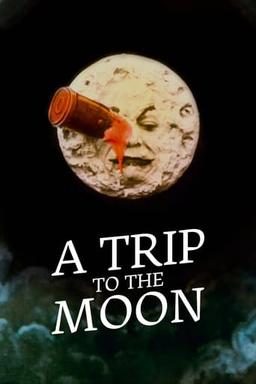

A Trip to the Moon is a silent science fiction film directed by Georges Méliès. It follows a group of space explorers who travel to the moon, encounter extraterrestrial life, and escape back to Earth. The film is a satirical take on scientific expeditions and features imaginative and fantastical elements.

Documentary film about early years of Russian cinema: its first directors, cameramen, producers and actors. Includes rare fragments of pre-revolutionary feature films, newsreels and Starewicz's animation.
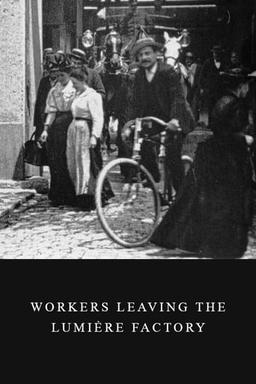
In this groundbreaking documentary film from 1895, the Lumière brothers capture a brief but significant moment in history as workers leave their jobs at the Lumière Factory in Lyon. The film showcases the era's working class, transportation methods, and provides a glimpse into factory life in the late 19th century.

An appreciative, uncritical look at silent film comedies and thrillers from early in the century through the 1920s.

In Tillie's Punctured Romance, a man cons a millionaire and plans to elope with his love interest. However, things take a hilarious turn when he ends up in jail and a series of mishaps ensue.
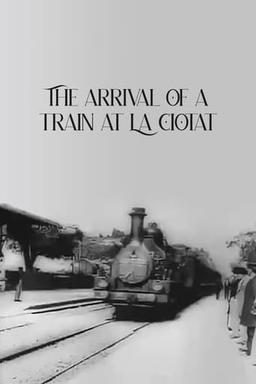
The Arrival of a Train at La Ciotat is a short documentary film that showcases the everyday life at a train station in La Ciotat, France. The film captures the arrival of a steam train and the passengers disembarking from it. This iconic silent film provides a glimpse into the early days of cinema and serves as a testament to the evolution of transportation in the 19th century.
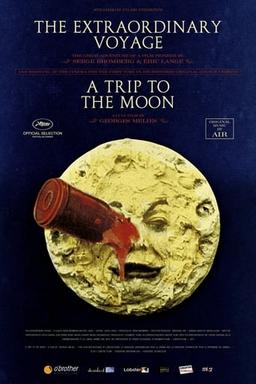
An account of the extraordinary life of film pioneer Georges Méliès (1861-1938) and the amazing story of the copy in color of his masterpiece A Trip to the Moon (1902), unexpectedly found in Spain and restored thanks to the heroic efforts of a group of true cinema lovers.

Mabel wakes up in a hotel room and finds herself in a series of comedic situations involving a dog, a bellman, a drunken man, and hiding under a bed.
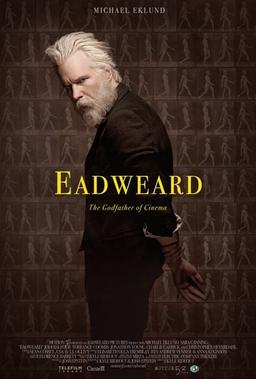
Eadweard is a biographical film about Eadweard Muybridge, a pioneer in photography and motion pictures in the late 19th century. It explores his life, including his groundbreaking work, personal struggles, and involvement in a historic event.
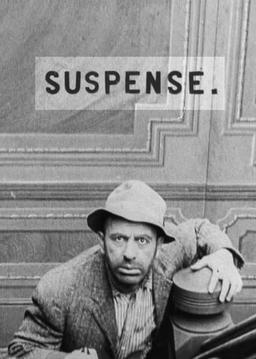
Suspense is a silent film that follows the story of a woman who becomes the target of a home invasion. Locked inside her house, she must use her wits to outsmart the intruder and protect herself.
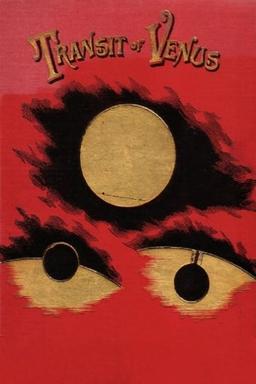
Passage of Venus (1874) is a groundbreaking documentary film that chronicles the rare celestial event of Venus passing in front of the sun. Using innovative techniques such as multiple-exposure and time-lapse photography, this silent film captures the beauty and scientific significance of the phenomenon. Released in 1874, it stands as one of the first-of-its-kind films in the history of cinema and remains a remarkable achievement in the field of astrophotography.
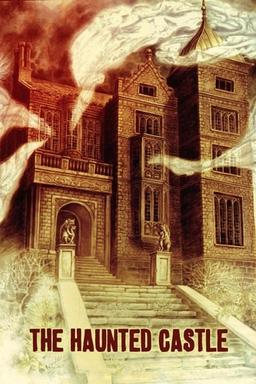
In a medieval castle, a dark magician thought to be Mephistopheles conjures up a series of bizarre creatures and events in order to torment a pair of interloping cavaliers.
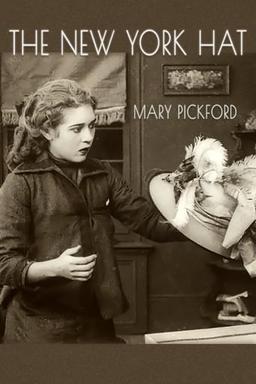
In 'The New York Hat', a young woman named Mollie receives a hat as an inheritance from her recently deceased mother. However, her domineering father disapproves and spreads scandalous rumors about her. Mollie's life is further complicated when a pastor tries to help her, leading to misunderstandings and gossip. In the end, Mollie overcomes the obstacles and proves her innocence, while also finding love.

A “madman” escapes prison and the torments of his warders.

About the creative career of People's Artist of the USSR N.K. Cherkasov. The film uses footage from movies of the 1920s and 1930s.

The Meeting of President Taft and President Díaz at El Paso, Texas(1909)
The first meeting of a U.S. president and a Mexican president took place when William Howard Taft met Porfirio Díaz on 16 October 1909, in El Paso. The meeting was celebrated in both El Paso and Juárez with parades, elaborate receptions, lavish gifts and large crowds. Shot by the pioneers of Mexican Cinema the brothers Alva. This is a typical example of newsreel material prior to the Mexican revolution. By hemerographical references we know that this footage was presented to the then president of Mexico General Porfirio Díaz in the Castle of Chapultepec, then residence of the president.

Throughout the 19th century, imaginative and visionary artists and inventors brought about the advent of a new look, absolutely modern and truly cinematographic, long before the revolutionary invention of the Lumière brothers and the arrival of December 28, 1895, the historic day on which the first cinema performance took place.
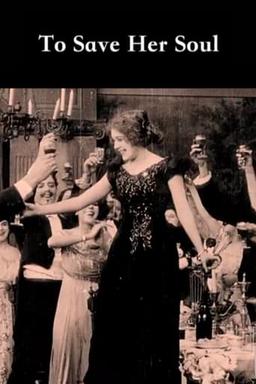
Agnes, a singer in a country church, is practicing one day when a vaudeville manager hears her and offers her a job. Over the objections of the curate who loves her, she accepts the offer and goes to the city. Later the curate goes to hear Agnes perform and, fearing that her soul is being corrupted by show business, he asks her to return to the small town with him. When she refuses, he is prepared to kill her in order to protect the purity of her soul. This brings about her change of heart, and together they return to the little church.
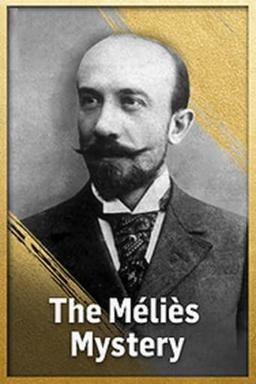
The Méliès Mystery is a captivating documentary that delves into the extraordinary life of Georges Méliès, a visionary filmmaker who revolutionized cinema. Through interviews, archival footage, and expert analysis, the film reveals the fascinating journey of Méliès, from his early career as a magician to his groundbreaking contributions to the world of cinema. This thought-provoking documentary celebrates the enduring legacy of a true film pioneer.