Movies and TvShows featuring "drivers-education" theme.
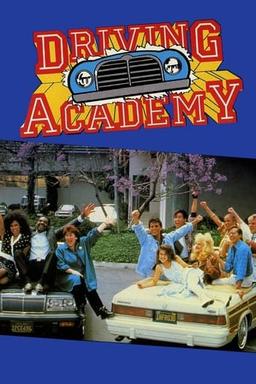
Crash Course (1988) is a hilarious comedy movie that follows the story of a high school driving instructor and the various misadventures that occur during his lessons. The film focuses on the relationships between the instructor, a foreign exchange student, and the students' parents, highlighting the challenges they face while trying to navigate the intricacies of driving school. Car crashes, amusing driving lessons, and a father-son relationship add to the comedic chaos.

Hell's Highway: The True Story of Highway Safety Films(2003)
This film covers the early history of post World War II educational films, especially those involving traffic safety by the Highway Safety Foundation under direction of Richard Wayman. In the name of promoting safe driving in teenagers, these films became notorious for their gory depiction of accidents to shock their audiences to make their point. The film also covers the role of safety films of this era, their effect on North American teenage culture, the struggle between idealism and lurid exploitation and how they reflected the larger society concerns of the time that adults projected onto their youth.

The first film in the Red Asphalt driver's education series, presented by the California Highway Patrol, shows graphic accident footage demonstrating the consequences of drunk, reckless and unsafe driving.

Jeanne, a high school girl, dumps her dull boyfriend Larry for Nick, a local thug and hot-rodder she finds exciting. Nick terrifies everyone with his dangerous and reckless driving, but that only turns Jeanne on even more. Until one night, zooming around the countryside terrorizing motorists, Nick and Jeanne smash into another car...

The film shows the risks associated with different driving speeds and the impact of collisions. It includes demonstrations of controlled impacts, part of experiments conducted by the University of California to study car crashes and improve safety. This includes the use of anthropometric dummies to measure the effects of collisions on passengers. The importance of safety seat belts and shoulder harnesses in preventing injuries is shown, as well as the dangers to unrestrained children in car accidents and the use of lifelike dolls in experiments. The conclusion of the film emphasises the driver's role in ensuring safety by being attentive and careful.

A look at an American town's efforts to help their children become better drivers.

Mechanized Death is a documentary short film released in 1961 that aims to raise awareness about the dangers of car accidents. The film showcases actual footage of car crashes and their devastating consequences, highlighting the importance of safe driving and the need for responsible behavior on the road. The film explores the fatal consequences of reckless driving and serves as a stark reminder of the fragility of life.

A traffic accident occurs once every six seconds, most leading to property damage, injury, and/or death. Most of these accidents are preventable, and are caused purely by carelessness, impatience, inattention, and/or recklessness in not following basic driving rules. The basic tenets of driving include knowing the physics of movement, and knowing one's own limitations in a vehicle, which may differ in different road situations.

This mondo/shockumentary is mostly a collection of clips from driver's educational films and has at least one scene lifted from "Faces of Death".
Discusses the mental attitude of automobile drivers. Points out that a driving permit is a privilege which carries the responsibility for respecting the rights of others. Talking driver's license narrates this hymn to the beneficial effects of highways, cars, and driving.
Documentary short on car crashes.
No More results found.