Movies and TvShows featuring "dostoevsky" theme.
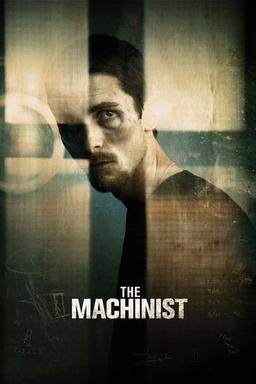

An industrial worker named Trevor Reznik hasn't slept in a year and begins to doubt his own sanity. He experiences hallucinations and paranoia, and his guilt over a hit and run accident leads him to believe there is a conspiracy against him. As he unravels the mystery, Trevor discovers that his own guilt and insomnia have driven him to madness, creating a separate identity named Ivan. In the end, Trevor turns himself in to the police and finally finds some peace as he falls asleep in his cell.

The Grand Inquisitor from Dostoevsky's The Brothers Karamazov produced by the Open University.

The Idiot (2003) is a TV mini-series based on Fyodor Dostoevsky's novel. It follows the story of Prince Myshkin, a kind and naive young man with epilepsy who encounters a society full of deception and moral decay.

In the Soup follows the story of a struggling filmmaker who meets a quirky character and gets involved in a downward spiral of drugs and a strange love interest. The film explores themes of poverty, dreams, and the challenges faced by independent filmmakers in New York City.
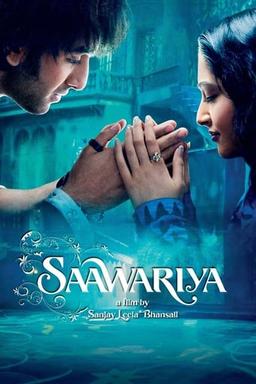
Saawariya is a musical romance film that tells the story of unrequited love between two individuals. Set in a vibrant Bollywood backdrop, the film explores themes of young love, innocence, and the complexities of relationships. The plot revolves around a love triangle and the challenges faced by the characters as they navigate their feelings and emotions. The film also delves into the cultural aspects of Indian society, incorporating elements such as music, dance, and traditional festivities.
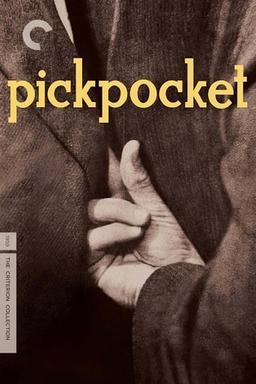
Pickpocket is a 1959 crime drama film directed by Robert Bresson. The film follows a young man named Michel, who becomes involved in the criminal underworld of Paris as a skilled pickpocket. As he perfects his craft, Michel finds himself torn between a life of crime and his desire for transcendence. With very little dialogue and a focus on minimalism, Pickpocket explores themes of materialism, disillusionment, and existential poetry.
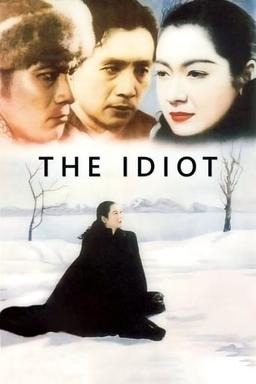
The Idiot is a surreal adaptation of Fyodor Dostoevsky's classic novel. It tells the story of a naive prince in post-war Japan who becomes entangled in a love triangle and faces challenges such as jealousy, epilepsy, and the complexities of love.
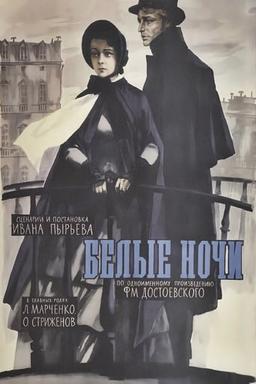
Based on the short story of the same name by Fyodor Dostoyevsky.
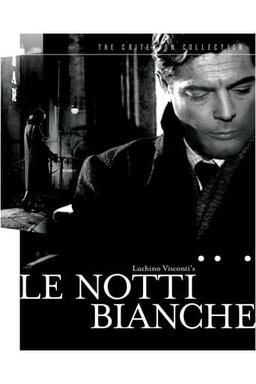
Le Notti Bianche is a drama and romance movie based on the novel by Fyodor Dostoevsky. It tells the story of a lonely man who meets a shy woman on a snowy night in Italy. As they spend time together, they fall in love, but their relationship is tested by separation and unrequited love.

Italian televison adaptation of Fyodor Dostoevsky's novel of the same name. Although it is to all intents and purposes a television miniseries, the rhythm of the acting is typically theatrical: the long dialogues, the acting style and the actorly interpretation make it a true example of episodic television theatre.
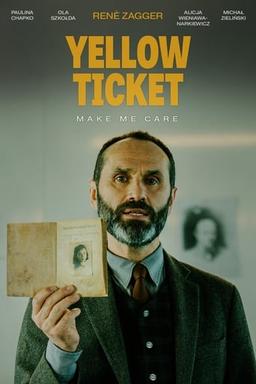
"Yellow Ticket" is a powerful exploration of the unintended consequences of self-sacrifice. To what lengths should educators go to inspire their students? What happens if their methods cross the line?

During the Yugoslav break-up, Federal Army officer is fed up with war and takes some leave in Belgrade. However, it turns out that he is less haunted by war horrors than with some sentimental skeletons in the closet. He meets his former comrade and best friend who is AWOL, but can't report him because he had an affair with his wife.

The Brothers Karamazov novel is the epitome of Fyodor Dostoevsky’s creative work, the acme of the philosophic investigation carried out by this colossal and restless mind throughout his life. World renowned choreographer Boris Eifman offers a remarkable vision of the core ideas within the novel, expanding upon them though body language as a way of exploring the origins of the moral devastation of the Karamazovs; creating through choreographic art an equivalent of what Dostoyevsky investigated so masterfully in his book, the excruciating burden of destructive passions and evil heredity. This ballet production is also known and performed as Beyond Sin.
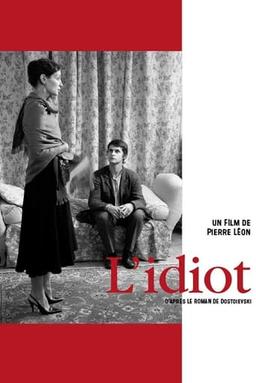
Nastassia Philippovna finds herself juggling the affections of four men over the course of a single evening. One is her benefactor, the bourgeois Totsky. Another is the opportunistic Ganya, whom Totsky has promised 75,000 rubles if he will marry Nastassia. Rogozhin offers Nastassia 100,000 rubles for her hand. And the “idiot,” Prince Myshkin, loves Nastassia madly and vows to “save” her.

Based on the Fyodor Dostoevsky novel about a young woman who leaves her family to live with her lover whose father dead set on keeping them apart.

A biographic story of one of the biggest writers of all time, Fyodor Dostoevsky, as narrated by his wife.
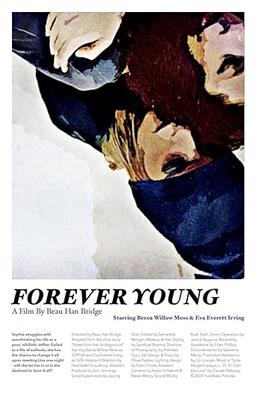
Sophia struggles with overthinking her life as a poor, nihilistic drifter. Exiled to a life of solitude, she has the chance to change it all upon meeting Liza one night... Did she let her in or was she destined to burn it all? The aftermath of their breakup is explored through three different angles.
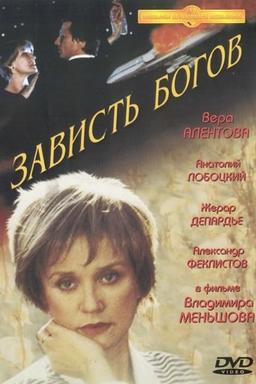
Sonia is a television editor, she is married to successful Soviet writer Sergey and they have a son in a high school. Their life was almost perfect... until the moment they meet Bernard from France and his translator André.
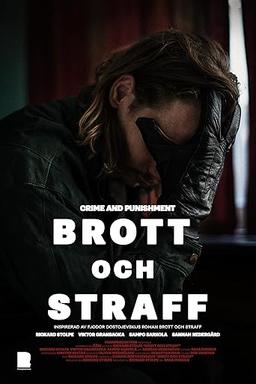
A modern adaptation of Dostoyevsky's Crime and Punishment, set in contemporary Helsinki. Raskolnikov, a struggling law student, commits a brutal murder, believing himself above the law. As guilt and paranoia consume him, he spirals into a mental and moral crisis, all while the relentless lead investigator closes in on him.
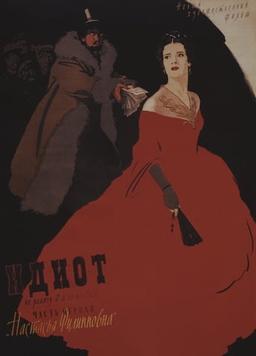
The Idiot is a 1958 drama film based on Fyodor Dostoevsky's novel. Set in Russia during the 1860s, the story revolves around a man with epilepsy who is considered an 'idiot.' The film explores the themes of love, innocence, and the complexities of human nature.