Movies and TvShows featuring "disaster-aftermath" theme.
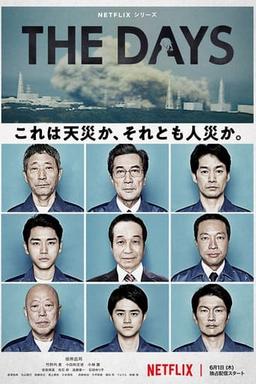
Blamed by some, hailed as heroes by others, those involved with Fukushima Daiichi face a deadly, invisible threat - an unprecedented nuclear disaster.
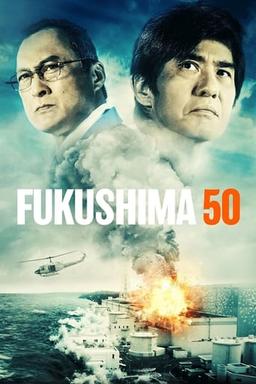

Fukushima 50 is a dramatic movie that depicts the incredible bravery and sacrifice of the nuclear power plant workers who risked their lives to prevent a catastrophic meltdown after the devastating earthquake and tsunami in Japan. The film follows the struggles and challenges faced by the Fukushima 50 as they battle against time, radiation, and unimaginable adversity to prevent a nuclear disaster.

Baffling serial killings unfold in which the victims are tied up and left to starve. Tone was just released from prison after finishing his sentence for another crime, and he surfaces as a suspect but detective Tomashiro can't nail down conclusive proof.
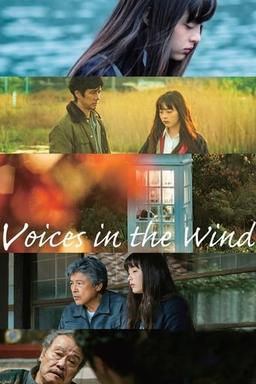
Eight years after the devastating tsunami, the wounds it left in Japan have still not healed. In her touching search for answers, Haru sets out on a long, eventful journey to her home town, where she lost her family in the flood.

At 2:46 PM on March 11, 2011, the Fukushima Daiichi Nuclear Power Plant experiences a black out due to the aftermath of the Tōhoku earthquake and tsunami. The cooling system fails at the nuclear power plant and the temperature of the nuclear reactor rises. The worst case is coming. Scientists face an unexpected situation and government officials are confused by lack of information. Residents says goodbye to their hometown before evacuating.
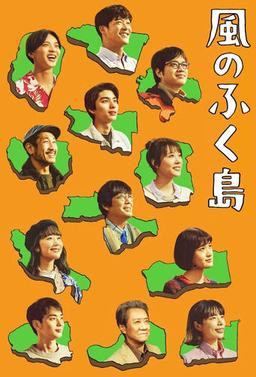
A heartwarming drama inspired by true stories of individuals who built new lives in 12 cities and towns across Fukushima.

A large monster attacks Japan, but dies suddenly. While the people rejoice and bask in relief, the giant corpse left behind begins to slowly rot and bloat. If it explodes, the nation will be destroyed.

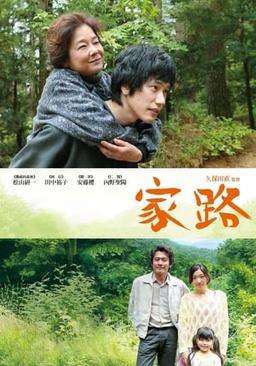
Jiro Sawada is a sophomore in high school when a false accusation drives him out his hometown: a small village in Fukushima Prefecture. The entire village is abandoned after the 2011 Tōhoku earthquake and tsunami, but Jiro returns there to live. Before long, members of his family come and join him.

Toko Ikuta lost her parents in a car accident at the age of 3. Afterwards, her uncle, who ran a barbershop in Morioka, raised her and she had a happy childhood. Toko Ikuta was active as a local idol and she dreamed of becoming an actress. At the age of 19, she is set to take an audition in Tokyo. The day before her audition, on March 11, 2011, the great Tohoku earthquake and tsunami hits Japan. In the autumn of 2011, Toko Ikuta works at a cafe. She goes with her Korean co-worker Han Yoo-Ri to do volunteer work in Kesennuma as the area recovers from the devastating tsunami. There, Toko Ikuta meets Kiyotaka Shimizu who is a university student from Tokyo and a member of a student volunteer group. While spending time together in Kesennuma, Toko Ikuta and Kiyotaka Shimizu develop feelings for each other.

Pointy-Headed Gonta: The Story of the Two-Named Dog in the Fukushima Disaster(2022)
After Gonta is left behind reluctantly by its family in Namie, Fukushima during the evacuation due to the 2011 Tohoku earthquake and tsunami disaster, Gonta's family rallies a rescue team to save all the pets left behind.
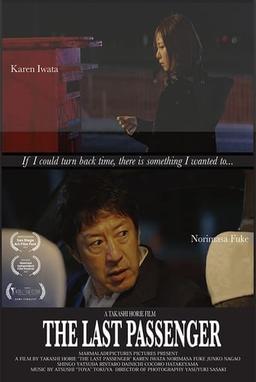
This fictional story is set in Miyagi prefecture, a decade after a devastating earthquake and tsunami. It follows Mr. Endo, a taxi driver searching for his daughter since the earthquake. Along the way, he encounters various passengers and visits a seaside town swallowed by a tsunami. The story explores themes of family, love, and resilience in the aftermath of a disaster, offering hope to survivors.

Based on the murder of nine street peddlers in the aftermath of the Great Kanto earthquake.

Based on the novel "Kanojo no Jinsei wa Machigai ja Nai" (literal translation: Her life is not at fault) by Director Hiroki, it is a powerful story of survivors, who are all trying to find their own silver linings in life.

The film marks the occasion of the 800-year anniversary of Chornobyl: an epitaph to the nuclear power station tragedy. Lina Kostenko, the Ukrainian poetess, joins former residents on their annual trip to the dead town.

Chernobyl: The Zone is a gripping documentary that delves into the events of the catastrophic nuclear disaster in Chernobyl in 1986. The film takes viewers on a journey through the long-lasting effects and the human stories surrounding the disaster, focusing particularly on the eerie and dangerous Chernobyl Exclusion Zone.

Poliske Nets is a documentary film that explores the impact of the Chernobyl nuclear disaster on the town of Poliske. It reveals the struggles and challenges faced by the residents and the ongoing efforts to restore the area. Through personal stories and historical context, the film sheds light on the importance of preserving the memory of this tragic event.
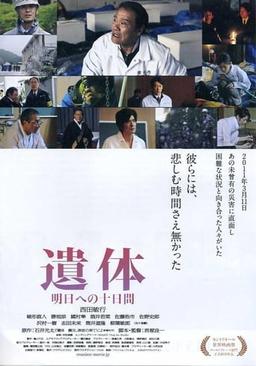
The Movie depicts 10 days after the 2011 Tohoku earthquake and tsunami. At a morgue house in Kamaishi, Iwate Prefecture, the workers treat the dead with dignity as they hand over the bodies to their families. Retired funeral worker (Toshiyuki Nishida), finds himself volunteering at the morgue house.

On March 11, 2011, Okawa Elementary School in Ishinomaki City was engulfed by a tsunami, and 74 children, or 70% of the school's children, were killed. 51 minutes elapsed between the earthquake and when the tsunami reached the school. The school was informed of the tsunami and a school bus was on standby, but students did not evacuate. Okawa Elementary was the only school that suffered a large number of casualties in this earthquake. This documentary follows the lawsuit that followed the disaster, where the parents sought the truth behind the tragedy.
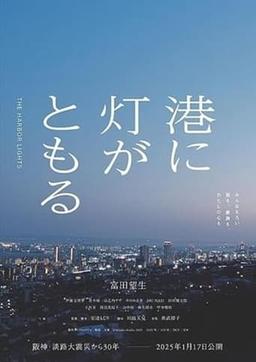
The growth and struggles of Akari, a third-generation Korean born the year of the Great Hanshin Earthquake. A post-disaster story based on people living in Kobe.