Movies and TvShows featuring "democratic-republic-of-the-congo" theme.
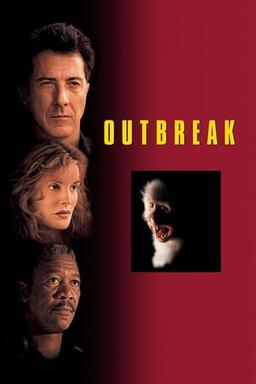

In the movie 'Outbreak' (1995), a deadly virus called Motaba is discovered in the African jungle and resurfaces in a California town. Army doctors race against time to find a cure and prevent a widespread outbreak.
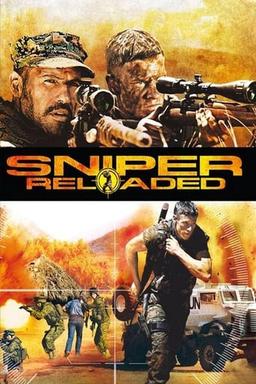
A skilled sniper is called in to investigate a terrorist plot in the Democratic Republic of the Congo. He must save hostages while navigating through enemy territory.

Jazz and decolonization are intertwined in a powerful narrative that recounts one of the tensest episodes of the Cold War. In 1960, the UN became the stage for a political earthquake as the struggle for independence in the Congo put the world on high alert. The newly independent nation faced its first coup d'état, orchestrated by Western forces and Belgium, which were reluctant to relinquish control over their resource-rich former colony. The US tried to divert attention by sending jazz ambassador Louis Armstrong to the African continent. In 1961, Congolese leader Patrice Lumumba was brutally assassinated, silencing a key voice in the fight against colonialism; his death was facilitated by Belgian and CIA operatives. Musicians Abbey Lincoln and Max Roach took action, denouncing imperialism and structural racism. Soviet Premier Nikita Khrushchev intensified his criticism of the US, highlighting the racial barriers that characterized American society.

Denis Mukwege, a Congolese doctor, pastor and future Nobel Peace Prize laureate, meets Guy Cadière, a Belgian surgeon and atheist. Despite their differences, they unite for a common purpose: to restore the bodies and dignity of thousands of women who have been used as weapons of war in the eastern Democratic Republic of Congo.

On an African safari with his friend Grant, Clyde Beatty plans to buy some black-maned Numbian lions from Jo Carter but her animals are wiped out by a fire. Despite interference by rival dealer Gorman, who hopes to ruin Jo, Beatty saves her business by helping her to capture an adult gorilla. (2nd story) When Grant is bitten by a tsetse fly and falls ill, Beatty heads for the nearest hospital through the territory of the dangerous Matabeles tribe. They are captured and condemned to death by Grubbs, a white man living with the tribe and stealing their gold. Using the Matabele Boy King as a shield, Beatty and Grant make an escape and Grubbs is forced to accompany them, leaving his loot behind.

A rare documentary made in Brussels in the early nineties collecting witnesses on how local and Congolese musicians enriched each other including internationally known stars such as Manu Dibango, Toots Tielemans, Vaya Con Dios, Phillippe Catherine, Victor Laszlo, Zap Mama...
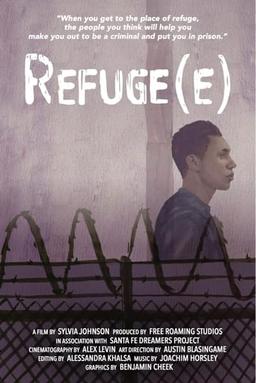
Refuge(e) traces the incredible journey of two refugees, Alpha and Zeferino. Each fled violent threats to their lives in their home countries and presented themselves at the US border asking for political asylum, only to be incarcerated in a for-profit prison for months on end without having committed any crime. Thousands more like them can't tell their stories.
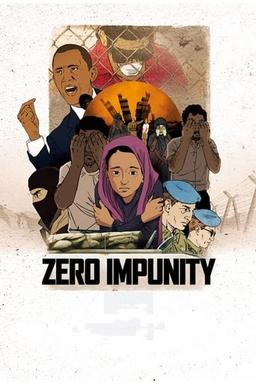
Zero Impunity is an animated documentary that sheds light on the rampant sexual violence that occurs in war zones. Through interviews and powerful images, the film exposes the cycle of impunity and silence that allows these heinous crimes to continue.
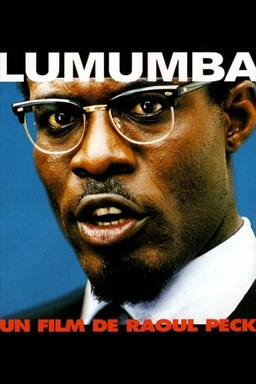
Lumumba explores the rise and fall of Patrice Lumumba, a Congolese politician who became the country's first prime minister. The film delves into Lumumba's charismatic leadership, his struggle for independence from colonial rule, and the eventual political intrigue and assassination that led to his tragic death.

In Brussels, Belgium, the Royal Museum of Central Africa is undertaking a radical renovation, both physical and ethical, to show with sincerity, crudeness and open-mindedness the reality of the atrocities perpetrated against the inhabitants of the Belgian colonies in Africa, still haunted and traumatized by the ghost of King Leopold II of Belgium, a racist and genocidal tyrant.
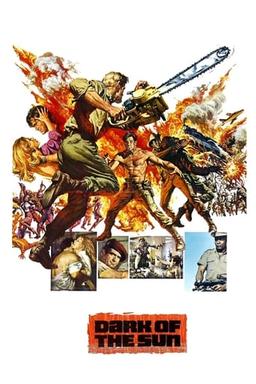
In the midst of the Congo crisis, a group of mercenaries is sent on a mission to rescue hostages held by rebel forces. As they face various challenges and confront their own demons, they must navigate through a landscape of betrayal, greed, and violence.
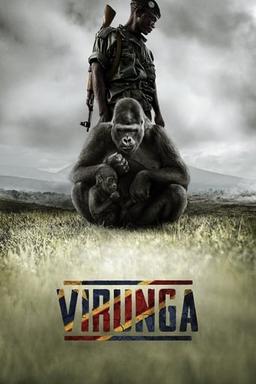
Virunga is a powerful documentary that follows a group of dedicated individuals as they risk their lives to protect Virunga National Park in the Democratic Republic of Congo. The park, home to the last mountain gorillas in the world, is under threat from poaching, militia groups, and corrupt corporations seeking to exploit its natural resources. Through its captivating storytelling and stunning cinematography, Virunga sheds light on the tragic realities faced by the park rangers and the urgent need for conservation efforts in the region.

Are All Men Pedophiles? delves into the complex subject of pedophilia and challenges society's views on gender and sexuality.

The War Against Women is a documentary that sheds light on war crimes and feminism in countries such as the Democratic Republic of the Congo, Rwanda, Sudan, Uganda, Kenya, and the Central African Republic. It explores the issues of rape, violence, and inequality faced by women in these war-torn regions. The film aims to raise awareness and inspire action towards ending the war against women.

Lake Tanganyika is an 'Ocean' in Africa. Millions of years ago it was colonized by a little fish called 'Cichlid'. Otters, crocodiles, cobras and cormorants all hunt the fish in clear water. How the Cichlid survived and evolved is an incredible story for, millions of years later, there are over 200 new species - all found only in Lake Tanganyika. Incredibly, they have evolved to look like coral reef fish. There are cichlid equivalents of tuna, snapper, gobies and goatfish. They have evolved bizarre methods of breeding with mouth-incubation, lekking and, unique amongst fish, there is even a cuckoo. Despite all their specialization over millions of years, if an opportunity presents itself, the little fish can behave like their unspecialized ancestor. In the climax of the film, they bang together to feast on a hatch of sardine fry. This is the story of how one little fish has conquered a lake.

The Rumba Kings (2021) is a captivating documentary that delves into the vibrant music scene in Kinshasa, Democratic Republic of the Congo, during the 1950s and 1960s. Through interviews, archival footage, and expert analysis, the film tells the story of how Rumba emerged as a powerful expression of cultural identity and resistance against racism and colonialism. It explores the impact of decolonization on the music industry and highlights the contribution of Congolese musicians in shaping African music history. A must-watch for music enthusiasts and anyone interested in African history and art.
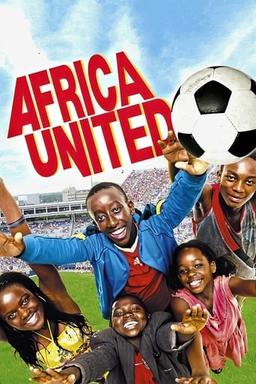
Africa United is a heartwarming adventure following a group of children from different backgrounds who join forces to travel across Africa to attend the World Cup. Along the way, they face various challenges and learn valuable lessons about friendship, resilience, and the power of dreams. Their journey is full of unexpected encounters, thrilling escapes, and important discoveries as they navigate the diverse landscapes and cultures of the African continent.
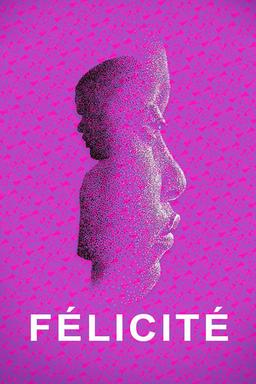
Félicité, a singer and single mother, lives in Kinshasa, Democratic Republic of the Congo. She faces various hardships, including drunkenness, mob violence, and financial struggles. When her son gets injured and needs an expensive operation, Félicité must find a way to overcome her lack of money and debt collection. With determination and resilience, she navigates through a broken leg and amputation while trying to provide for her family.
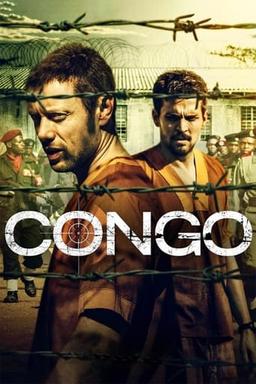
In the midst of the Democratic Republic of the Congo's turmoil, a Norwegian soldier finds himself entangled in a gripping tale of friendship, murder, and a relentless quest for justice. Based on a true story, this film follows his dangerous journey through the treacherous jungles of Congo, facing mercenaries, a manhunt, and political intrigue.