Movies and TvShows featuring "czech-resistance" theme.
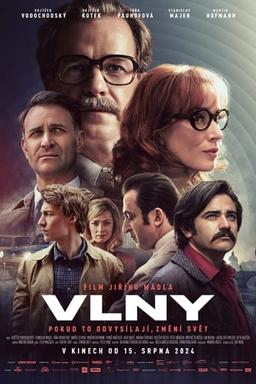
At the end of the 1960s, when the air is filled with rock-and-roll and student rebellions are changing the world, the older of two brothers joins a prestigious newsroom of the public radio broadcaster. Not long after, he finds himself in the middle of a dangerous conflict between journalists and the secret service.
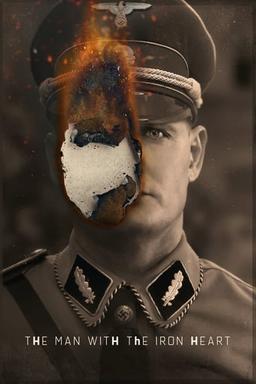

During World War II, a group of Czech resistance fighters plans and carries out the assassination of powerful Nazi officer Reinhard Heydrich.
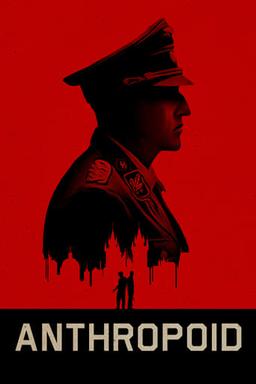
Anthropoid is a movie based on the true story of Operation Anthropoid, the assassination of Reinhard Heydrich, one of the key architects of the Holocaust and a high-ranking Nazi officer, during World War II. The film follows two Czech resistance fighters as they plan and carry out the daring operation, while facing the challenges of betrayal, suspicion, and the brutal repression of the Nazi regime.

In a small Czech village occupied by the Nazis, a young train dispatcher apprentice navigates love, politics, and sexual awakening while working at the train depot.

Prague, 1920. Milena's father wants her to follow in his footsteps and be one of the first female doctors in Czechoslovakia, but she is determined to be a writer. She elopes to Vienna with the Jewish music critic Ernst Pollak, and starts a correspondence with Franz Kafka. She leaves Pollak and returns to Prague with her father, where she befriends and translates Kafka. As a journalist, Milena covers the 1923 Ruhr worker's strike and meets the communist architect Jaromir.
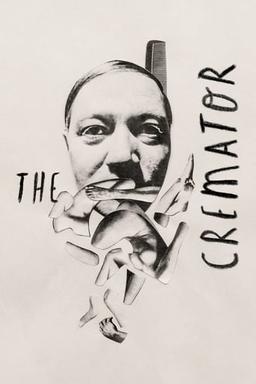
Set in Prague, during World War II, the film follows the life of a crematorium manager named Karl, who becomes increasingly delusional and embraces his Nazi collaborationist beliefs. As he descends into madness, the line between reality and imagination blurs, leading to a series of surreal and darkly comedic events.

Based on the true story of brothers Josef and Ctirad Mašín who, in 1953, tried to escape communist Czechoslovakia to join the US army in West Berlin.
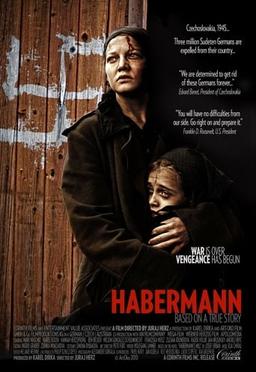
Habermann is a movie set in the 1940s in Sudetenland, which is occupied by the Nazis. It revolves around the story of a man named Habermann and his struggles during this time period. The plot includes themes of love, war, resistance, and the effects of Nazi collaboration. Habermann's life takes a dramatic turn after he becomes an army deserter and is forced to make choices that will change his life forever.

The Gestapo: Hitler's Secret Police is a documentary that explores the rise and operations of the Gestapo, the secret police of Nazi Germany. It delves into their methods of control, persecution of Jews and political dissidents, and their role in enforcing Hitler's regime. The documentary also examines the resistance movements that fought against the Gestapo. Through historical footage and interviews, it provides a comprehensive look at this infamous organization.

"The Art of Dissent" celebrates the resilience and power of artistic engagement in Czechoslovakia before and after the 1968 Soviet-led invasion. The documentary's main protagonists - Václav Havel, banned singer Marta Kubisová, and the underground rock group the Plastic People of the Universe (PPU) - became the most recognizable dissidents during the 1970-80s. Havel bridged the disparate clusters of individuals and fused the literary, musical, political, and philosophical nonviolent elements into a hybrid network that eventually toppled the totalitarian regime in 1989.
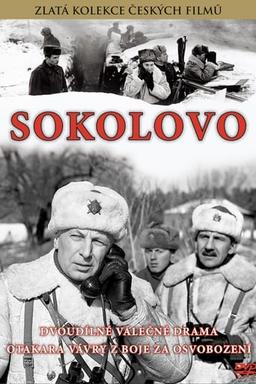
The plot begins in the Soviet Union showing first efforts to establish the Czechoslovak legion in 1942. The film also shows the assassination of Heydrich and the subsequent annihilation of Lidice. The main topis of the film is battles with German troops for Sokolovo.
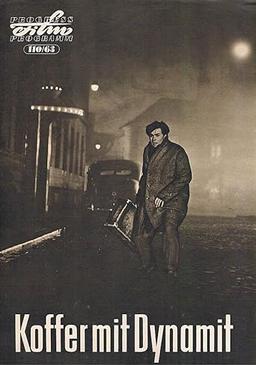
Czech friends help refugees from Nazi Germany escape in 1939.

During World War II, a German officer named Engelchen is torn between his loyalty to his country and his growing disgust towards war crimes committed by his fellow soldiers. As he witnesses the horrors of guerrilla warfare and realizes the truth about war, Engelchen is forced to confront his own morality and make difficult decisions.
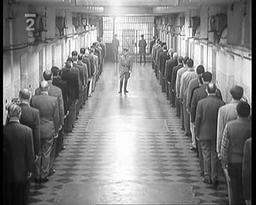

This film, chronicling the last days of Czech resistance fighter Maruska Kuderikova (played by Magda Vasaryova), is based on her diaries. Though she was tortured and eventually executed by the Nazis, her diaries indicate that she was optimistic for the humanity of her captors and did not by any means hate them. Told with simple dignity, this film makes clear why Maruska became a national hero.

Das Attentat - Heydrich in Prag (1967) is a compelling war movie set in the Czech Republic during the year 1942. The film tells the story of the brave Czech resistance fighters who plot and carry out the assassination of Reinhard Heydrich, a high-ranking Nazi officer. Fueled by revenge and the desire to free their country from Nazi occupation, the resistance fighters face brutality and repression as they execute their dangerous mission. With firearms and hand grenades, they aim to strike a blow against the Nazi regime and inspire hope in the Czech people.


The first animated picture made by Jiří Trnka for adults. It is a comic story of a legendary chimney-cleaner who, with the help of a spring from an old lounge-chair, became the terror of the Prague-occupying SS troops in World War II.