Movies and TvShows featuring "czar" theme.
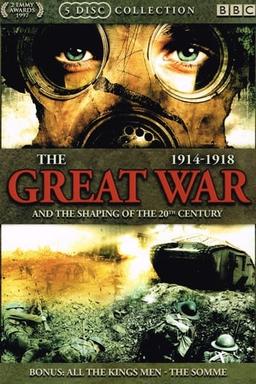
The Great War and the Shaping of the 20th Century is a 1996 documentary series that aired on PBS. It chronicles World War I over eight episodes. It was narrated by Dame Judi Dench in the UK and Salome Jens in the United States. The series won two Primetime Emmy Awards: one for Jeremy Irons for Outstanding Voice-Over Performance, the other for Outstanding Informational Series. In 1997, it was given a Peabody Award.
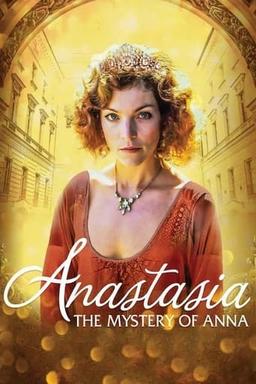
Anastasia - The Mystery of Anna is a TV mini-series set in the early 20th century, revolving around the life and disappearance of Anastasia Nikolaevna Romanova, the youngest daughter of the Russian Tsar. This gripping drama explores the turbulent times of the Russian Revolution and the aftermath, as a woman suffering from amnesia claims to be the long-lost Anastasia. Based on a true story and the book, it delves into the complexities of family relationships and the search for identity.

Explore the captivating story of the Romanov dynasty and their rule in Russia during the turbulent early 20th century. Discover the rise and fall of the Romanovs, their lavish lifestyle, and the abuse of power that led to their tragic end.
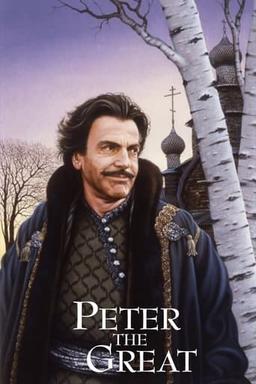
A TV mini-series depicting the life and reign of Peter the Great, the legendary Russian leader of the 18th century. The show explores his rise to power, his political reforms, and his military campaigns.

Rasputin and the Empress (1932) is a captivating historical drama that delves into the life and influence of Grigori Rasputin, a controversial figure in imperial Russia. The film follows the manipulative and charismatic Rasputin as he gains the trust of the Russian royal family, particularly Czar Nicholas II and Czarina Alexandra. Rasputin's ability to seemingly heal their son's hemophilia creates a deep bond of dependency, but his questionable methods and growing influence lead to political unrest, revolution, and ultimately the downfall of the imperial family.

In 19th-century imperial Russia, a young American inventor travels to Siberia and becomes involved in a series of comedic and dramatic events, including mistaken identities, duels, misunderstandings, and self-sacrifice.
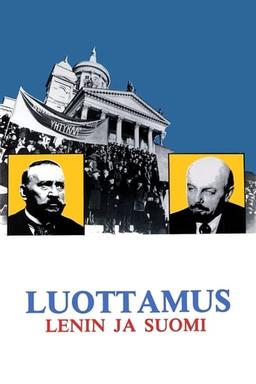
Directed by Edvin Laine and Viktor Tregubovich, Trust (1976) is a Finnish-Soviet historical drama film that follows the relations between Finland and the Soviet Union. In December 1917, the Finnish delegation, composed of Chairman of the Senate Finance Department P.E. Svinhufvud (Vilho Siivola), Senator Carl Enckell (Yrjö Tähtelä) and State Secretary Gustaf Idman (Yrjö Paulo) arrive in St. Petersburg to meet V.I. Lenin (Kirill Lavrov) to gain recognition for the country's independence.

Ivan the Terrible, Part I is a biographical drama that depicts the rise of Ivan the Terrible to power and his struggle to maintain control over Russia in the 16th century. The movie explores themes of power, betrayal, and the lengths people will go to gain and keep power. It showcases the brutality of the time period and Ivan's ruthless tactics to maintain his position as the Tsar of Russia.
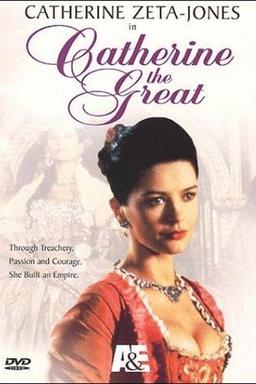
Catherine the Great navigates the complexities of ruling an empire while dealing with an unhappy marriage, pregnancy by rape, and palace intrigue.
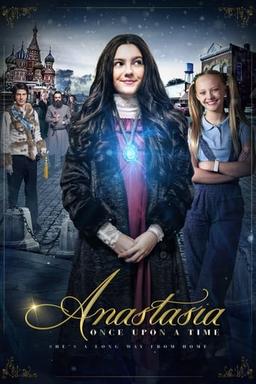
Anastasia: Once Upon a Time tells the story of a young Russian princess named Anastasia, who finds herself in both the 1910s and 1980s due to a magical time portal. She must use her wit and bravery to navigate through different timeframes, facing challenges along the way. With the help of a magic necklace, Anastasia embarks on a quest to save her family from a dark curse and discover her true destiny. The movie explores themes of Russian history, the House of Romanov, monarchy, and the effects of the Russian Revolution. It also incorporates elements of Halloween, as Anastasia finds herself in the 1980s during this festive time. Throughout her journey, she encounters various characters and experiences, including a royal ball, the presence of Grigori Rasputin, and the wonders of a shopping mall.
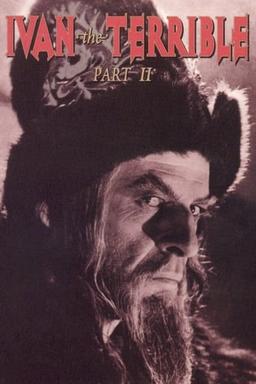
Ivan the Terrible, Part II: The Boyars' Plot(1946)
 100%Tomatometer
Ivan the Terrible, Part II: The Boyars' Plot follows the life of Ivan the Terrible as he faces a conspiracy by the boyars to overthrow him. The film explores themes of power, brutality, and political intrigue in 16th century Russia.
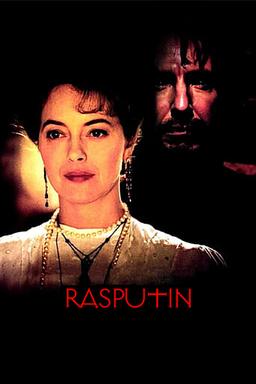
Rasputin (1996) is a biographical drama that explores the life of Grigori Rasputin, a mysterious and charismatic figure who played a significant role in the downfall of the Russian monarchy. The movie follows Rasputin's rise to influence in the court of the Romanovs, his reputation as a prophet and healer, and his connection with the royal family. As Rasputin's power grows, his unconventional behavior and alleged debauchery threaten to destabilize Russia, leading to tragic consequences.
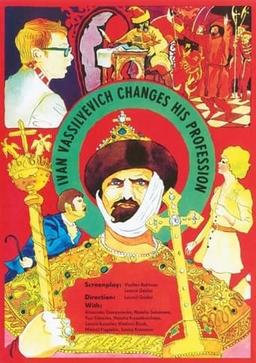
When a scientist invents a time machine, a burglar switches places with Ivan the Terrible. Chaos and hilarity ensue as they try to adapt to each other's lives.
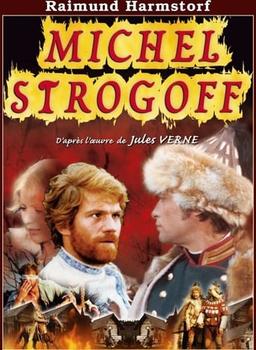
In 19th century Russia, courier Michael Strogoff embarks on a dangerous journey to deliver a message to the Tsar. Facing various obstacles and encountering romance along the way, Strogoff must succeed in his secret mission.
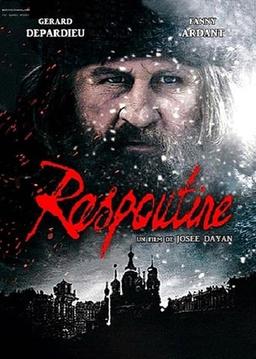
A gripping portrayal of the life and death of Grigori Rasputin, the enigmatic figure who held great influence over the Russian royal family.

The portrait of Russian composer Peter Ilich Tchaikovsky focuses on his failed love affair.

When British Capt. Charles Edstaston arrives at the court of Catherine the Great in St. Petersburg, Russia, he is stunned by the palace's disorderly condition. The severely intoxicated Prince Potemkin concludes that the handsome Edstaston would be a suitable lover for Catherine, and he coerces the bewildered visitor into her bedchamber. Edstaston manages to escape, but he is repeatedly recaptured and delivered to the mischievous Catherine.

The White Horse is a Russian TV serial broadcast in 1993. The film, in 10 episodes, was directed by Gelii Ryabov. It presents the Russian civil war in Siberia from 1917–1920 and the struggle of the White Russians under the command of Admiral Alexander Kolchak against the Bolshevik forces, until his final defeat.