Movies and TvShows featuring "crime-against-humanity" theme.
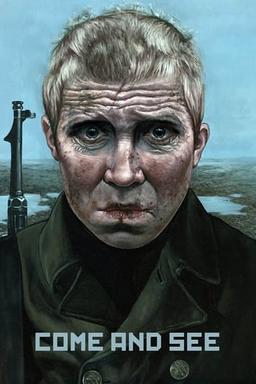

Set in World War II, the film follows a teenage boy who experiences the atrocities of the German occupation of the Soviet Union. As he witnesses mass murders, genocides, and other war crimes, he descends into insanity and despair.

Auschwitz: The Nazis and the Final Solution is a TV show that explores the atrocities committed by the Nazis at Auschwitz concentration camp during World War Two. It delves into the history of the camp, its role in the Holocaust, and the experiences of the victims. The show investigates the systematic genocide carried out by the Nazis, including the use of gas chambers and incinerators to exterminate millions of Jews and others deemed undesirable. It also examines the role of the Schutzstaffel (SS) and the German occupation of Poland.

In post-World War II Germany, American judges preside over the trials of Nazi war criminals. The gripping courtroom drama explores themes of war crimes, justice, and the aftermath of the Holocaust.
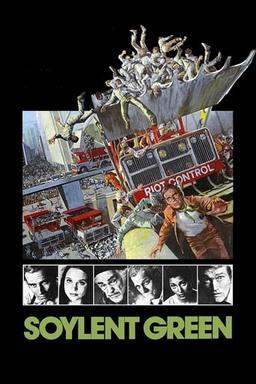
In the year 2022, overpopulation and ecological disaster have ravaged the Earth. The government controls the production of a synthetic food called Soylent Green, which is made from plankton. When a high-ranking official is murdered, police detective Thorn investigates the case and uncovers a shocking conspiracy. As Thorn delves deeper into the investigation, he discovers the horrifying truth behind Soylent Green and its connection to cannibalism.

In a world where the human lifespan has been extended, Kathy reminisces about her time at a boarding school called Hailsham and her adult life. She falls in love with Tommy, but Tommy and Ruth begin a relationship. The three friends eventually discover that they are clones destined to be organ donors. Tommy believes that their artwork can prove true love and grant them a temporary reprieve from donation. Kathy becomes a carer and watches many clones die. She reunites with Tommy and Ruth, who dies on the operating table. Tommy's artworks are revealed to be pointless, and Kathy is left waiting for her donations.
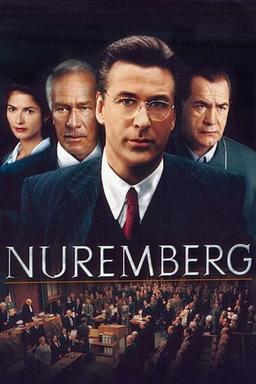
Nuremberg is a TV mini-series that portrays the historic post-World War II trials of Nazi war criminals. The story revolves around the efforts of the US military and the Supreme Court Justice to bring justice to those responsible for crimes against humanity. The gripping drama unfolds in the courtroom as the defendants face trial and the world gets a glimpse of the horrors of the Holocaust and the atrocities committed during World War II.
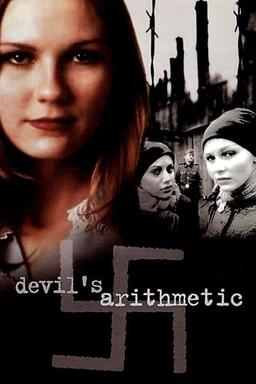
After being transported back in time, a teenager named Hannah learns about the horrors of the Holocaust and must find a way to survive.

A teenage girl Anne Frank narrates her experiences and emotions during the Nazi occupation of the Netherlands in World War II, giving insight into the atrocities of the Holocaust and the strength of the human spirit.

First They Killed My Father is a biography, drama, history, and war movie set in Cambodia during the 1970s. It tells the story of a little girl who survives the atrocities committed by the Khmer Rouge regime, including genocide, forced labor, and prison camps. The movie explores themes of communism, ideology, imperialism, and the impact of American foreign policy. It is based on a true story and showcases the resilience of the human spirit.

The Armenian Genocide is a documentary film that delves into the systematic mass murder and deportation of the Armenian people by the Ottoman Empire during World War I. It discusses the historical context, the testimonies of survivors, and the denial of the genocide by the Turkish government. The film sheds light on the crimes against humanity committed during this tragic period of history.

Since its birth in 1865, in the wake of the American Civil War, the history of the Ku Klux Klan has been inseparable from that of the United States. The debates over slavery, the populism in the roaring twenties, the struggle for civil rights in the sixties, the rise of the far-right in the early 21st century; the Klan seems to have always embodied the dark side of the nation, with its gray areas and blind spots.

During World War II, six million Jews were murdered, with two million killed in systematic mass shootings. Explore the untold story of the men behind these mass shootings, their motivations, and the few survivors who escaped.

Architects of Denial is a documentary film that exposes the horrors of the Armenian Genocide, the systematic mass murder of Armenians by the Ottoman Empire during World War I. The film examines the denial of this genocide by the Turkish government and highlights the importance of recognizing and acknowledging historical atrocities.
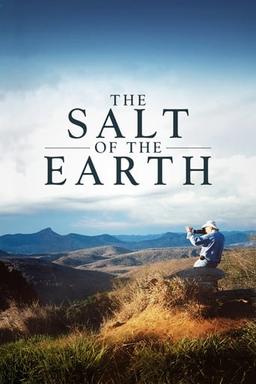
The Salt of the Earth is a biography and documentary film that tells the story of a renowned photographer. It explores his work capturing images from various parts of the world, showcasing the human condition and social cohesion. The film highlights his journey to places like France, Galapagos Islands, Kuwait, Mexico, and more, where he documented the effects of starvation, drought, and other issues. It also delves into his experiences in countries like Rwanda and the former Yugoslavia, covering topics such as the Rwandan genocide and violence. Throughout his career, he has produced iconic photographs that have become famous, reflecting his humanist perspective.
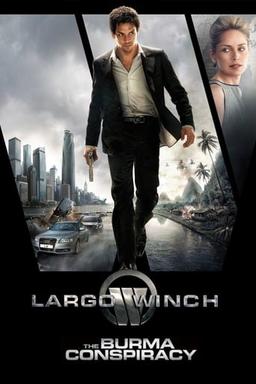
Largo Winch II is a thrilling action movie about a billionaire named Largo Winch who finds himself caught in a financial conspiracy. The story begins with a flashback of a village massacre, and as Largo tries to uncover the truth, he faces greed, corruption, and the corrupting influence of capitalism. With the help of mercenaries and a charity organization, Largo fights against evil capitalists and seeks justice. The movie takes place in various locations like Hong Kong, China, Myanmar, Bangkok, Thailand, and features exciting scenes like car chases, airplane jumps, and yacht adventures.

This documentary reveals the shocking truth behind Secret Project 4 1, a classified government experiment in the South Pacific that caused environmental destruction, radiation sickness, and forced relocation of indigenous people.
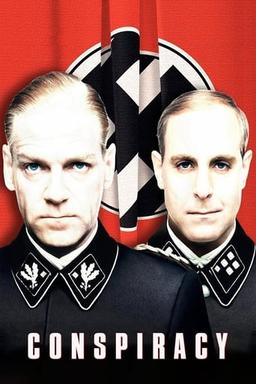
Conspiracy is a historical drama based on the true story of the Wannsee Conference, where top-ranking Nazi officials gather to discuss and plan the Final Solution - the systematic extermination of Jews during World War II. The movie delves into the bureaucratic and political processes that led to the mass murder of millions of people.
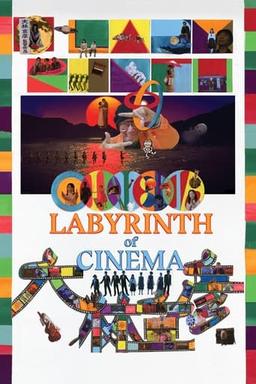
In Labyrinth of Cinema, three men find themselves transported through time and immersed in the tragedies of war. As they explore a mysterious cinema, they witness the horrors of American imperialism, the impact of crime against humanity, and the devastating aftermath of the Hiroshima bombing. Amidst the chaos, a Japanese woman guides them on a journey of self-discovery and reflection. This thought-provoking film delves into themes of time-travel, imperialism, and the resilience of the human spirit.

Shoah is a documentary film that tells the story of the Holocaust through interviews with survivors, witnesses, and perpetrators. The film explores the cruelty, deception, and murder committed by the Nazis during World War II, focusing on the genocide of the Jewish people. It also examines the historical context and legacy of the Holocaust, including the gas chambers, concentration camps like Auschwitz, and the atrocities committed by the Third Reich.
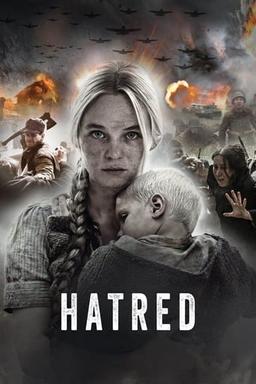
Set in the year 1943 during World War Two, 'Hatred' tells the story of a small village torn apart by genocide and ethnic cleansing. The film portrays the brutality and horrors of war crimes, as well as the resilience and strength of the villagers. Based on a true story, it explores themes of nationalism, racism, and the human capacity for both atrocity and compassion.