Movies and TvShows featuring "controversial-artist" theme.
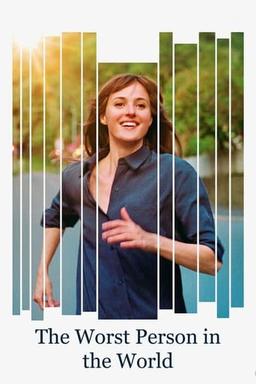
The Worst Person in the World(2021)
 96%Tomatometer
The Worst Person in the World follows Julie, a woman in her thirties from Oslo, Norway, as she explores different relationships, deals with her existential crisis, and tries to find her place in the world. Along the way, she encounters various challenges including health issues, complicated romances, and a search for meaning in her life.
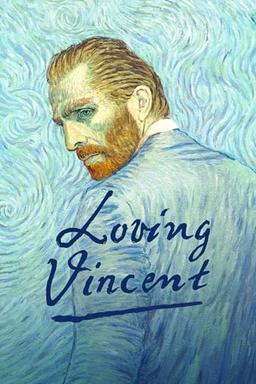
In 19th-century Europe, a doctor investigates the controversial and mysterious death of painter Vincent van Gogh. Through a series of letters and interviews with those who knew him, the doctor unravels the truth behind the artist's struggles, torment, and eventual suicide.

Controversy erupts over a New-Deal-era mural of the namesake of San Francisco’s George Washington High School. The thirteen-panel artwork "The Life of Washington" by Victor Arnautoff offers a view of the Founding Father both celebratory and critical, referencing his involvements in slavery and Native American genocide.
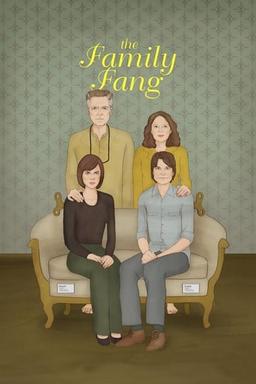
The Family Fang is a comedy-drama movie based on a novel, that follows a dysfunctional family of performance artists, the Fangs. When their parents mysteriously disappear, the adult siblings must come to terms with their unconventional upbringing and confront the unresolved traumas of their childhood. The film explores themes of family dynamics, identity, and the blurred line between art and reality.

In his lifetime, Thomas Merton was hailed as a prophet and censured for his outspoken social criticism. For nearly 27 years he was a monk of the austere Trappist order, where he became an eloquent spiritual writer and mystic as well as an anti-war advocate and witness to peace. Merton: A Film Biography provides the first comprehensive look at this remarkable 20th century religious philosopher who wrote, in addition to his immensely popular autobiography The Seven Storey Mountain, over 60 books on some of the most pressing social issues of our time, some of which are excerpted here. Merton offers an engaging profile of a man whose presence in the world touched millions of people and whose words and thoughts continue to have a profound impact and relevance today.
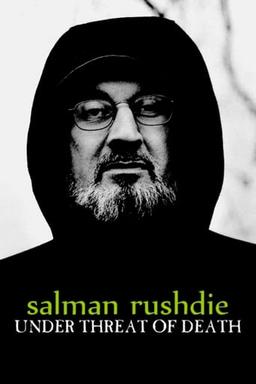
An intimate portrait, in his own words, of the Indian writer Salman Rushdie, author of The Satanic Verses (1988), thirty years after the fatwa uttered by the Iranian Ayatollah Khomeini: his youth in multicultural Bombay, his life in England, his many years of forced hiding, his thoughts on President Trump's United States of America.
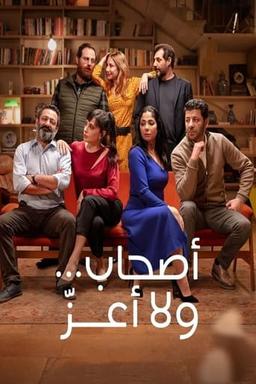
Seven friends gather for dinner and play a game where they share all their phone communications. What starts as fun quickly leads to the disclosure of untold secrets.
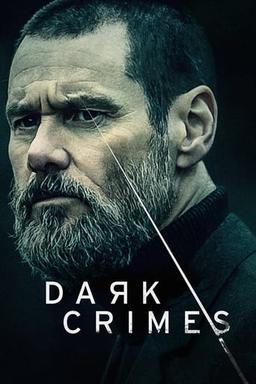
Detective Tadek investigates a murder case that bears similarities to a crime described in a novel written by a controversial artist. As he delves deeper into the investigation, he uncovers a web of sexual perversion, sadomasochism, and corruption within the city.

A gentle portrait of the mythical Spanish actor Arturo Fernández (1929-2019) in the hour of his passing, in his own words, through his latest interviews, not previously broadcast, and the words of those who knew him thorough decades of charming and good performance on stage, his true home, as well as in cinema and television.
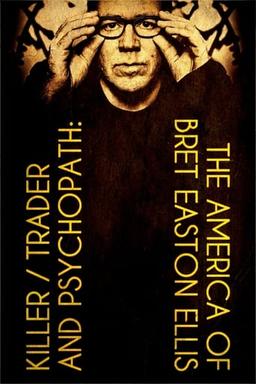
Killer, Trader and Psychopath: The America of Bret Easton Ellis(2021)
In 1991, American Psycho, the third novel by controversial writer Bret Easton Ellis, provoked heated discussions among critics and readers alike; an extraordinarily disturbing book that transported its readers into the mind of Patrick Bateman, a cynical mergers and acquisitions executive obsessed with brands, inconsequential details, pop culture and brutal murder.
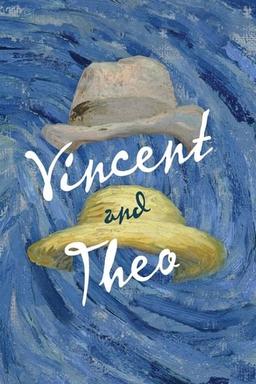
Vincent & Theo (1990) is a biographical drama film that explores the complex relationship between the famous painter Vincent van Gogh and his brother Theo. The movie delves into the struggles and challenges faced by Vincent as he battles mental illness and creates some of his most iconic artworks. It portrays the love and support provided by Theo, who acts as Vincent's confidant and advocate throughout his life. The film also touches upon themes of art, brotherhood, and the impact of Vincent's illness on his artistic genius.

Comic Book Confidential is a documentary that delves into the rich history and cultural impact of comic books. It covers topics such as comic book writers and artists, underground comics, censorship, and the influence of comic books on popular culture. The film also explores the controversial and provocative nature of some comic book art and highlights the work of influential artists in the industry.

England, 1960. The Crown sues the publisher Penguin Books in order to ban the publication of Lady Chatterley's Lover, a novel by the British writer D. H. Lawrence (1885-1930), published privately in Italy in 1928, which celebrates nature and deals with sex without taboos.

The Picture of Dorian Gray, the seminal work of Irish writer Oscar Wilde (1854-1900), continues to find new readers and inspire artists and creators around the world more than a century after its publication in 1891, because it was endowed with all the elements necessary to make it an undisputed heritage of world literature.
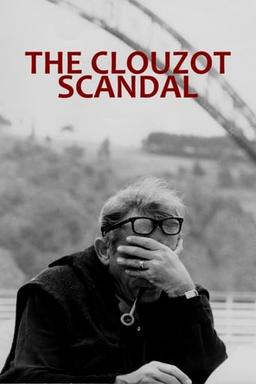
Great filmmakers claim the artistic influence of French director Henri-Georges Clouzot (1907-1977), a master of suspense, with a unique vision of the world, who knew how to offer both great shows and subtle studies of characters. Beyond the myth of the tyrannical director, a contrasting portrait of a visionary, an agitator, an artist against the system.

Made originally as a four-hour miniseries for television and cut back for theatrical release, Vincent & Theo is about the mysterious, near-mystical interaction between Vincent (Tim Roth) and his brother Theo (Paul Rhys). Theo, an art dealer in Paris, tried for years without success to sell Vincent's art, and died not quite six months after his brother shot himself to death in a wheat field in Auvers-sur-Oise.

Elia Kazan represented the American dream. An immigrant who came without anything and who became the Prince of Hollywood and Broadway after World War II. Actor, theater director, filmmaker, writer, he is the founder of Actor’s Studio, a collaborator of Arthur Miller and Tennessee Williams, and a director who discovered Marlon Brando and James Dean.

It all begins with a childhood memory: that day when the father of the future filmmaker Sebastiano d'Ayala Valva forces him to listen to certain music that initially terrifies him; a distant echo from the past that leads him to follow the trail of his mysterious ancestor, the Italian composer Giacinto Scelsi (1905-1988), who claimed that his music was directly inspired by the gods.
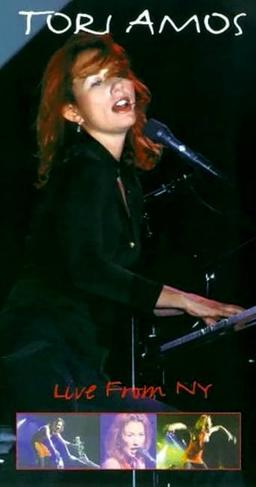
Tori Amos - Live from NY (1998) is a concert film featuring the controversial and eccentric artist performing live in New York City. The film captures Tori Amos's unique singing and harpsichord and piano playing skills, showcasing her talent as a singer-songwriter. This solo artist mesmerizes the audience with her captivating songs in a benefit concert. The documentary-style film provides an intimate and live recording of Tori Amos's passionate and soulful performance.
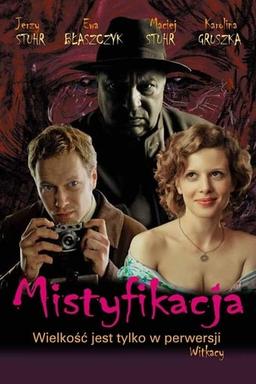
Lazowski, an expelled university student, investigates the supposed suicide of the famous artist Witkacy and tries to prove that the artist is in fact still alive.