Movies and TvShows featuring "communism-crimes" theme.


During the Chinese Cultural Revolution, a teenage girl named Xiu Xiu is sent to a remote mountain village for re-education and forced labor. She experiences loneliness, exploitation, and despair in the desolate rural setting. The film explores themes of corruption, degradation, and the loss of innocence. Xiu Xiu's desperation leads her to contemplate suicide as she faces the harsh realities of the oppressive regime.

The trial of Alfred Plock differed from previous trials in that it did not have an explicitly political background. A group of engineers from the Ministry of Post, Industry, and Standard Electric were charged solely because they wanted to implement a revolutionary technological innovation and turn Prague into the headquarters of a new pan-European telecommunications system. Among other things, they wanted to enhance their country's prestige on the international stage. However, it was precisely this intention that aroused the suspicion of the security authorities and Soviet advisers. They therefore decided to take decisive action.
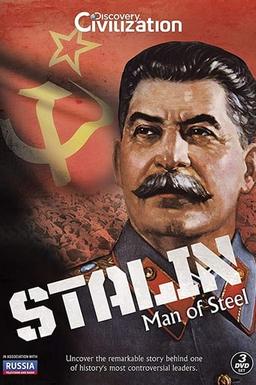
Emmy Awards nominee for "Outstanding Individual Achievement in a Craft: Research: Multi-faceted portrait of the man who succeeded Lenin as the head of the Soviet Union. With a captivating blend of period documents, newly-released information, newsreel and archival footage and interviews with experts, the program examines his rise to power, deconstructs the cult of personality that helped him maintain an iron grip over his vast empire, and analyzes the policies he introduced, including the deadly expansion of the notorious gulags where he banished so many of his countrymen to certain death.
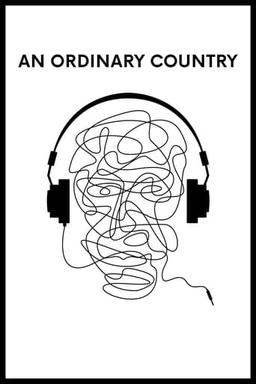
The story of what daily life was like in Poland under communism: private conversations, cruel interrogations, recruitment attempts, recorded and filmed with hidden devices; of how the secret services spied on every activity of ordinary citizens: nothing escaped the brutal system of control developed by the Soviets in the name of freedom.

A woman prisoner is harshly incarcerated and suddenly released.

The Front Line is a gripping crime drama that takes place in Italy during the years of lead. It tells the story of a murderous pair and the controversy surrounding them. Set in the year 1982, the movie explores themes of terrorism, communism, and political crimes. Based on a true story and a memoir or autobiography, it also delves into an attempted jailbreak and the aftermath of a murder.

One Child is a thought-provoking documentary that delves into the consequences of China's one-child policy, examining its effects on families, society, and the future. This powerful film sheds light on the struggles faced by individuals and the larger implications of government control.

Gulag is a documentary film that delves into the dark history of the Soviet Union's labor camp system, revealing the inhuman conditions and brutal treatment of prisoners under Stalin's regime. It highlights the impact of communism and unveils the crimes committed against humanity during this period.

The forest in Bykovnia near Kyiv hides the remains of more than 30,000 NKVD victims, including several thousand Poles. In 2006, a team of Polish archeologists, with the cooperation of the Ukrainian side, conducted exhumation work there, which confirmed that Poles were buried in the cemetery. At the time, two people whose fathers are believed to be buried there also came to the Bykovsky forest. The film tells the story of the history of the place, the local residents' perception of it, and the search for the fathers' graves.
A documentary about the modern controversy between Poland and Russia over Russian prisoners of war from the time when Poland regained its independence, after the First World War.
No More results found.