Movies and TvShows featuring "city-planning" theme.

Genius artist Cesar Catilina seeks to leap the City of New Rome into a utopian, idealistic future, while his opposition, Mayor Franklyn Cicero, remains committed to a regressive status quo, perpetuating greed, special interests, and partisan warfare. Torn between them is socialite Julia Cicero, the mayor’s daughter, whose love for Cesar has divided her loyalties, forcing her to discover what she truly believes humanity deserves.
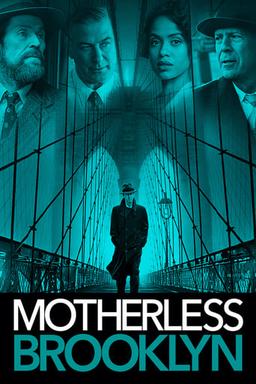
Set in 1950s Brooklyn, Motherless Brooklyn follows Lionel Essrog, a detective with Tourette's Syndrome, who investigates the murder of his mentor and uncovers a web of corruption and political intrigue.

Make No Little Plans: Daniel Burnham and the American City(2010)
Make No Little Plans: Daniel Burnham and the American City reveals the fascinating life and complex legacy of architect and city planner Daniel Hudson Burnham. In the midst of the late nineteenth century urban disorder, Burnham offered a powerful vision of what a civilized American city could look like, one that provided a compelling framework for Americans to make sense of the world around them. A timely, intriguing story in the American experience, Make No Little Plans explores Burnham's impact on the development of the American city as debate continues today about what urban planning means in a democratic society.

When the organizer of the Thanksgiving Day parade in Chicago faces budget cuts and a lack of holiday cheer, she teams up with an efficiency expert to save the event and finds love along the way.

David Macaulay: Roman City takes viewers on a journey through the ancient Roman city of Pompeii, showcasing the city's architecture, daily life, and the eruption of Mount Vesuvius in 79 A.D. The documentary combines live-action footage with animated reconstructions to provide an immersive experience. Audiences will gain insight into the daily routines of the ancient Romans and witness the destruction and preservation of one of history's most significant archaeological sites.


What’s it like to dedicate your life to work that won’t be completed in your lifetime? Fifteen years ago, filmmaker David Licata focused on four projects and the people behind them in an effort to answer this universal question.
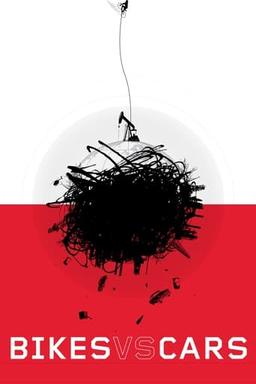
Bikes vs Cars is a documentary that explores the ongoing battle between bikes and cars in big cities. It highlights the challenges faced by activists who are trying to transform city transportation and reduce car culture. The film takes a critical look at the negative impact of car culture, such as traffic congestion, air pollution, and the lack of bicycle infrastructure. It showcases case studies from cities around the world, including Toronto, Bogota, Los Angeles, Sao Paulo, and Copenhagen.
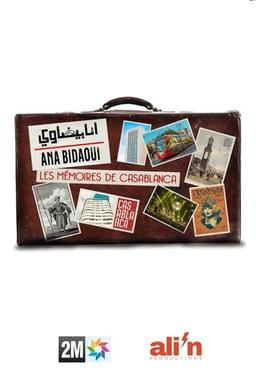
Through interviews with historians, architects, archaeologists and local organizations, this documentary series describes the history of Casablanca, from its origins to the present day.

An entertaining series about how our Swedish houses, homes, and cities have developed, and what they might look like in the future. The series' guide, Petra Mede, and architecture experts Gert Wingårdh and Mark Isitt take us on a journey through time, starting 100 years ago and continuing 100 years into the future. Come along to the village street, the big city, the industrial town, the countryside, the dream cottage, the suburbs, the city center, and the village!

Short documentary film on the construction of the new town, Marne-la-Vallée.

In 1959, Hans Bernhard Reichow published his book "Die autogerechte Stadt - Ein Weg aus dem Verkehrs-Chaos" (The car-friendly city - a way out of traffic chaos), in which he proposed a city oriented towards the needs of motorized private transport. This documentary discusses his idea.
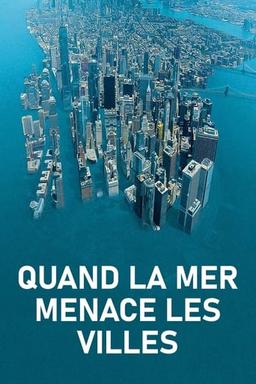
Devastating hurricanes, torrential rains, the inexorably rising waters: coastal megacities are now up against the wall. The filmmakers have chosen three emblematic cities: New York, Singapore and Rotterdam. Cities that each face unique problems and must revisit their relationship with water in order to survive on the long run. In 50 years, all surge barriers in the world will be out of order. What solutions will then remain for coastal cities?

The Erie Canal was an engineering marvel in its time and remains so today. This documentary travels from Palmyra to the Genesee River, stopping along the way to visit the people and places that make the canal so special. Canal historian Thomas Grasso offers insight into the canal’s past while the Golden Eagle String Band provides the music track.
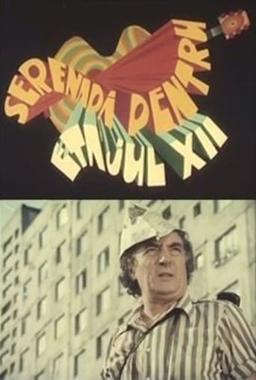
Light comedy about various Bucharest house dwelling families trading their houses for apartments in a brand new apartment building complex in a new subdivision of a large Bucharest neighborhood.

The working-class Tuindorp Nieuwendam neighborhood in Amsterdam-Noord is like a village within the city. Many natives of the Northern Netherlands still live in the characteristically built houses, a unique variation on the Amsterdam School. With humor and Amsterdam directness, they share their stories about what's happening in their lives and in the neighborhood. Recently, a new generation of residents has also discovered the Noord district. How do residents view these changes and the neighborhood's transformation? Was everything better in the past, or are new connections emerging between residents, old and new?

A documentary about the Pedway system in London, exploring its history and significance in city planning. The film focuses on the elevating walkways and their impact on the urban landscape.

Documentary about the life in the then newly completed city Halle Neustadt in the former DDR in East Germany.

Highlighting the canal’s quiet beauty and fascinating people, Part 2 travels from the Genesee Waterways to Spencerport, Brockport, Holley, and Lockport– taking to the trails and the water, on everything from the historic Sam Patch tour boat to Luxury cabin cruisers. Dr. William Hullfish, a SUNY Brockport associate professor, musician and the expert in Erie Canal Songs.

Recent graduate, Arthur Macdonald, narrowly avoids a collision with a truck when he takes a short-cut to work. In his job as traffic safety engineer he proposes to erect a median barrier to prevent collisions. His proposal meets with derision from his boss and indifference from the politicians and the public, but Arthur isn't about to give up. He struggles on toward his goal, despite limited resources, office politics, and City politics.