Movies and TvShows featuring "chinese-civil-war" theme.

Follow the deadliest conflict in human history in real time, week by week, blow by blow.

In 1948, as China's civil war reaches a critical point and the Kuomintang's economy collapses, Communist agent Fang Meng'ao goes undercover as an Air Force colonel. Assigned to investigate corruption—led by his own father—and later to help transport national assets to Taiwan, he becomes entangled in a complex power struggle. Caught between duty, family, and political shifts, Fang plays a pivotal role in a covert mission tied to the peaceful liberation of Beijing.

Set in the eponymous White Deer Village in Shaanxi Province where the two most important families – Bai and Lu – and their sons have always lived together in peace. But the turmoil leads to a fierce struggle for land ownership. A young woman new to the village soon finds herself caught between the two camps. Director Liu Jin uses the story of these two families as a metaphor for the fate of the Chinese people as first Chinese war lords are overrun by Japanese invaders, then civil war follows hot on the heels of the Second World War and finally the victorious Maoists begin waving their red flags. The drama is based off the novel by Chen Zhong Shi.
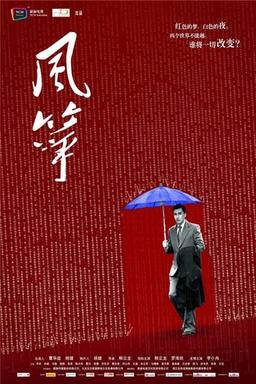
Zheng Yao-Xian is a CCP spy code-named Kite and lurks in the Nationalist secret service.

Driver Ko Wah (Lee Ching) refuses to transport ammunitions for the enemy, and is sent to jail after a scuffle with his traitorous boss. Although down and out, Ko takes in Siu-fung (Yung Siu-yi), an unwilling erotic dancer who has fled the war to Hong Kong. They may lead destitute lives, but their conscience remains intact. Director Cai Chusheng co-founded the National Salvation Association of Cinema. When Ko makes a uproar at the dance parlour and rips apart his friend's zombie costume, it represents Cai's criticism on the muddling-along attitude of Hong Kong society at the time. The characters' decision to return to the mainland to join the resistance effort also foretells Cai's decision to do the same in real-life.
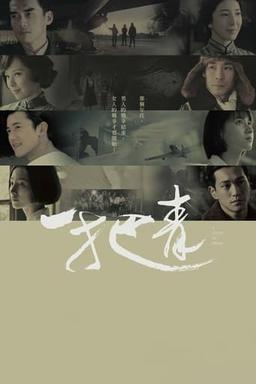
The drama tells the story of air force pilots and their families from 1945 to 1971. As the husbands embarked on patriotic missions to fight against the enemies, their families must content with horror of wars, mass emigration to distant land, and death of love ones. Their shared experience brought the military families together to support one another.
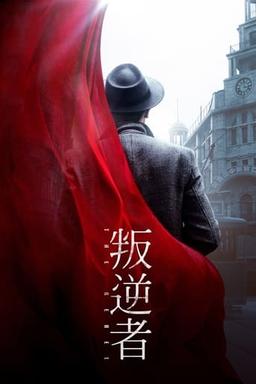
After ten years of knowledge and choice, after the victory of the War of Resistance Against Japan, Lin Nansheng has grown into a true Communist Party member. And at the critical moment of the War of Liberation, he made outstanding contributions to the party and the country.


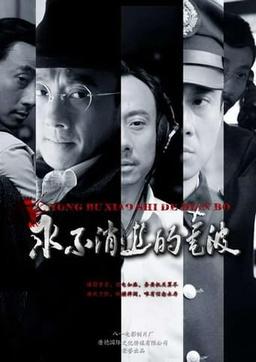
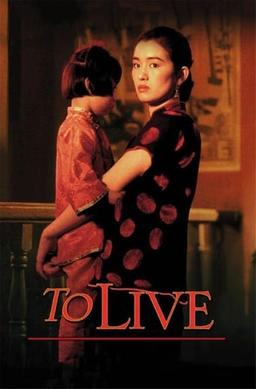
To Live is a Chinese epic drama set during the Cultural Revolution. It follows the struggles and hardships of a family as they navigate through political turmoil, poverty, and personal tragedies. The film showcases the impact of historical events on ordinary people and emphasizes the resilience and determination to live against all odds.


During the Chinese civil war in the 1940s, a group of brave soldiers infiltrates a mountain stronghold occupied by enemy forces. Their mission becomes even more dangerous when they encounter a man-eating tiger and face various obstacles in their fight for survival. The movie showcases the relentless battles, treacherous landscapes, and the resilience of these soldiers.

In 1940s China, a group of Chinese refugees flees to Taiwan to escape the Chinese Civil War. The story follows their journey and struggles as they try to find safety and build a new life.

Beginning of the Great Revival(2011)
 25%Tomatometer
Beginning of the Great Revival is a movie based on the true story of the Chinese Civil War, focusing on the Republican Era in China and the rise of the Communist Party. It explores the patriotism, political ideologies, and military conflicts during this period of Chinese history, particularly highlighting the leadership of Mao Tse-tung and the Communist Party's victory over the Kuomintang. The film also delves into the influence of state propaganda and the formation of the Chinese Communist Party state.

Set during the Chinese civil war, Shanghai Express follows a group of passengers on a train journey as they navigate through danger, romance, and self-sacrifice.

Love Is a Many-Splendored Thing is a movie set in post-World War II Hong Kong, where a doctor and a war correspondent fall in love. Their relationship is complicated by societal expectations and racism, as they navigate their love amidst a changing world.

In the midst of the Chinese Civil War, a group of Chinese refugees seek refuge in the town of Crossing. As they confront the harsh realities of war and political turmoil, they are forced to make difficult choices that will shape their destinies and the future of their homeland. The Crossing II is a gripping tale of love, loyalty, and sacrifice set against the backdrop of a nation in turmoil.
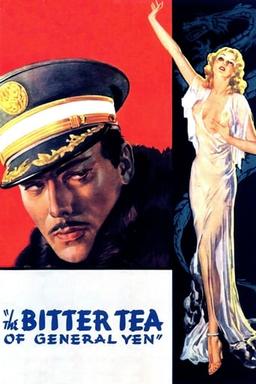
In Shanghai during the Chinese Civil War, an American woman is held against her will by a Chinese warlord. As they spend time together, they develop a complicated relationship that challenges their loyalty and cultural traditions.
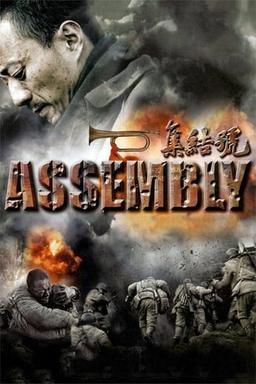
Assembly is a war film that tells the story of a Chinese soldier who fights in the Chinese Civil War and the Korean War. Set in the 1940s and 1950s, the film follows the soldier as he experiences the brutalities of war, comradeship, and sacrifice. It explores themes of loyalty, duty, and the impact of war on individuals and society. The soldier's journey takes him through battles and hardships, ultimately leading him to search for the remains of his fallen comrades and to seek recognition for their sacrifice.