Movies and TvShows featuring "chilean-history" theme.
Documentary series that takes a nostalgic journey through decades of Chilean theater and its history.

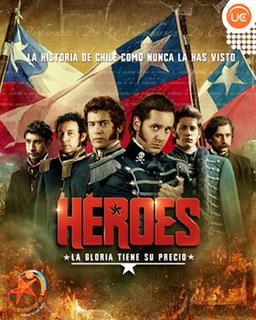
Chilean TV miniseries. Each episode relates the history of one of the principal figures Chilean figures of the 19th century: Bernardo O'Higgins, José Miguel Carrera, Manuel Rodríguez, Diego Portales, José Manuel Balmaceda and Arturo Prat.

An American couple in Chile is drawn into the turmoil that followed President Salvador Allende's 1973 overthrow.

Waking the Dead (2000) is a captivating movie that tells the story of a politician's obsessive search for the truth behind his lover's death. Set in the 1970s, this gripping drama explores themes of social activism, family relationships, and the pursuit of justice.
The trials and tribulations of a fashion house in 1950s Chile.
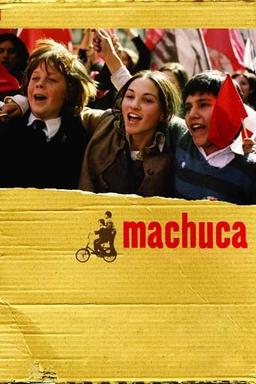
Machuca is a heartwarming drama set in 1970s Chile during the political turmoil of the Pinochet regime. It follows the friendship between two classmates from different social backgrounds, Pedro and Gonzalo, at a private school. Their lives are forever changed when they befriend a new student, Machuca, who comes from a lower-class neighborhood. As the country faces a military coup and violent demonstrations, the three boys navigate the challenges of growing up amidst social conflicts, family struggles, and their own personal demons.
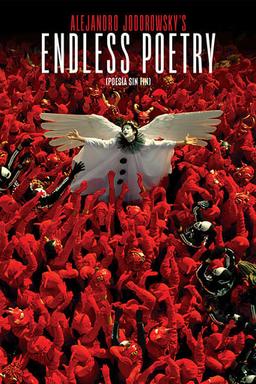
Endless Poetry is a surreal and autobiographical film that follows the journey of Alejandro Jodorowsky, a young poet, as he navigates through his dreams, relationships, and his passion for poetry. Set in Santiago, Chile, during the 1940s, the film explores themes of family relationships, artistic expression, and self-discovery.
A businessman searches for his missing father in Chile during the aftermath of a military coup.
Carmen spends 40 years of her life seeking for justice after the murder of her husband.
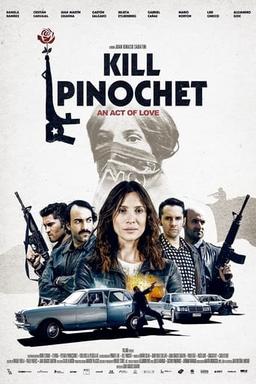
Chile, September 1986. Tamara, commander of the communist guerrilla group Manuel Rodríguez Patriotic Front, and her comrades-in-arms set out to overthrow the military regime installed in 1973 by assassinating the dictator Augusto Pinochet.
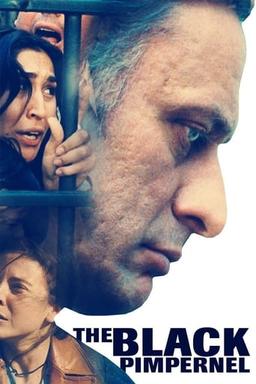
During the military coup in Chile in 1973, a political refugee disguised as an ambassador takes on the role of the Black Pimpernel to fight for justice and human rights.

An interview with the president of Chile conducted by Roberto Rossellini in 1971, but broadcast only after his death.
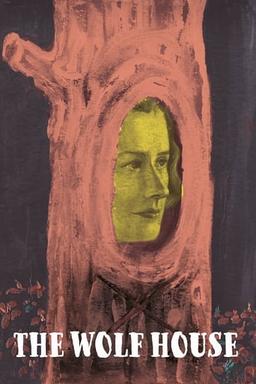
The Wolf House is a stop-motion animated film that tells the story of a woman who escapes from a cult and seeks refuge in a house. However, the house is not what it seems, and she becomes trapped in a surreal and haunting nightmare. As she navigates through the house, she encounters strange and terrifying creatures, all while trying to find a way to escape. This experimental and unsettling film explores themes of isolation, trauma, and the power of imagination.
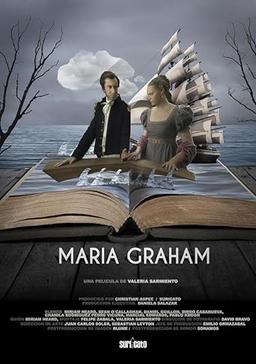
Historical drama adapted from the diary of the famous British travel-writer Maria Graham who arrived in Chile in 1822 just as the country was becoming independent from Spain. She is a woman coming to terms with her husband’s recent death: In her discovery of this breathtakingly beautiful country, its people and its customs, she learns to live again.
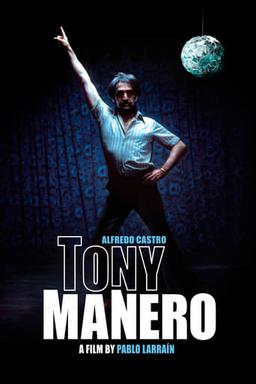
Set in 1978 Santiago, Chile, Tony Manero tells the story of Raul Peralta, a sociopath who becomes obsessed with impersonating Tony Manero, the character from Saturday Night Fever. As Raul dives deeper into his obsession, he becomes willing to commit murder to achieve his dreams of becoming the ultimate Tony Manero.

In 1989 Brazil, during a World Cup qualifier between Chile and Brazil, Chilean goalkeeper Roberto Rojas stages an injury during the match at the Maracanã Stadium.

The Battle of Chile: Part I is a documentary film that explores the political events and social upheaval in Chile during the 1970s. It focuses on the rise of Salvador Allende, the right-wing terror attacks, and the eventual coup d'etat that led to a dictatorship.
Miniseries based on crimes that occurred at different periods of time in the history of Chile.

A moving portrait of Chilean singer-songwriter and political activist Victor Jara (1932-73) that chronicles the life of the talented artist who was imprisoned, tortured and machine-gunned by the country's dictatorship.