Movies and TvShows featuring "british-columbia" theme.
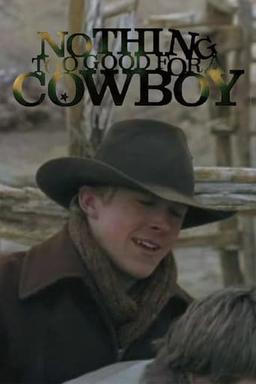
Nothing Too Good for a Cowboy was a CBC Television television show based upon the adventures of author and rancher Richmond P. Hobson, Jr. in Northern British Columbia. It is based upon the eponymous book and also The Rancher Takes a Wife.

This documentary tells the story of a Chinese cemetery in BC that became a National Heritage site. For Chinese pioneers who died in Canada, Victoria's Chinese Cemetery at Harling Point was a temporary resting place until their bones could be returned home. (Traditional Chinese belief says that the soul of a person who dies in a foreign place wanders lost until their bones are returned home.) This film traces the rich history of the Vancouver Island cemetery from controversy and neglect to its revival as a historic site. Told by those closest to it, the story of Harling Point is a metaphor for Canada, a country still working on making a home for all who live within its borders.
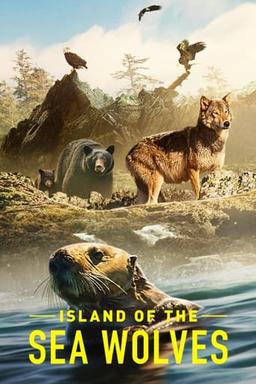
Where the Pacific meets the wilderness of Canada lies a mysterious island. But peer a little deeper and we find something even more remarkable: a community full of charismatic animal residents, waiting to show you around.

A group of friends on an island find themselves under attack by giant animals after consuming a mysterious substance. They must fight for their lives against these monstrous creatures.

An unprecedented behind-the-scenes access to two of Canada’s busiest hospital emergency rooms.

The Alpinist is a documentary that follows the life and extreme adventures of a mountain climber. It showcases his journey through various challenging terrains and showcases the risks and rewards of the sport. From climbing icy glaciers to solo climbing dangerous mountains, the film captures the essence of mountain climbing and the drive that pushes climbers to their limits.

The story of a young idealistic teacher and his struggle with a class of difficult students in a northern British Columbia school.
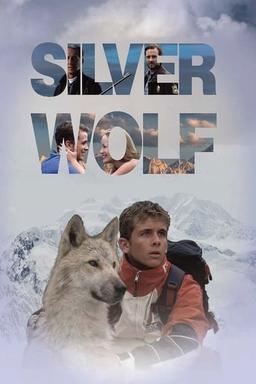
When a teenage boy befriends an injured wolf, they set off on a snowboarding adventure, facing challenges and overcoming obstacles together. Along the way, they confront the boy's estranged mother, a cattle rancher, and a pack of wolves, ultimately forming a truce and finding their way back to the wild.

In the late 1990s, some officers at Vancouver Police Department made a documentary film (THROUGH A BLUE LENS) about the everyday lives of six drug addicts in Vancouver's skid row, the Downtown Eastside. TEARS FOR APRIL reintroduces us to these six people; with footage shot over a period of nearly ten years, it continues their biography.

In the year 1908, a young boy named Harry sets off on an adventure in the vast wilderness of British Columbia in search of his missing father. Along the way, he forms an unexpected bond with a majestic grizzly bear. Together, they navigate through treacherous landscapes and encounter various challenges that test their strength and courage.

In 'Mother Lode,' a man survives an airplane crash and finds himself trapped in a mine with his evil twin brother. They must find a way to escape while dealing with the dangers of the mine and their own personal conflicts.
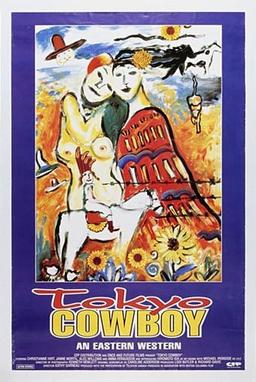
When a young Japanese man with an affinity towards American western films is fired from his job, he sets out to become a real live cowboy.

In Mountain Men, two brothers find themselves stranded in the snowy mountains of Canada after their car breaks down. They must rely on their survival skills and each other to navigate the treacherous landscape and make it back home.
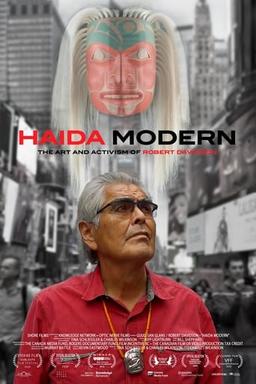
Haida Modern is a documentary that explores the vibrant art and culture of the Haida people in British Columbia. It delves into the lives of Haida artists, their connection to the land, and the impact of residential schools on their community. The film showcases the remarkable talent of Haida carvers and their work, with a focus on the creation of stunning totem poles. Haida Modern is a tribute to the resilience and creativity of the Haida nation.

The Sweet Hereafter follows a lawyer who arrives in a small town in British Columbia to represent the families of the victims of a school bus accident. As he navigates the grief-stricken community, he uncovers deep-seated secrets and struggles to bring justice to the affected families.

Twenty-three years after her brother mysteriously disappeared, a documentary filmmaker sets out to solve his missing person's case. But when a disturbing piece of evidence is revealed, she comes to believe that her brother might still be alive.

Forbidden Love: The Unashamed Stories of Lesbian Lives(1992)
 80%Tomatometer
Ten women in Canada talk about being lesbian in the 1940s, 1950s, and 1960s: discovering the pulp fiction of the day about women in love, their own first affairs, the pain of breaking up, frequenting gay bars, facing police raids, men's responses, and the etiquette of butch and femme roles. Interspersed among the interviews and archival footage are four dramatized chapters from a pulp novel, "Forbidden Love".

In the treacherous wilds of British Columbia, six prospectors pursue a cursed cache of gold worth billions. With just a few short weeks to complete their mission, they'll combine their skills to find the fortune, or fall victim to the curse.

Gurdeep is a thirteen-year-old Canadian Sikh whose family runs a dairy farm near Chilliwack, British Columbia. They have retained their language and religion. Attendance at the Sikh temple, playing soccer with his schoolmates, and working on the farm are all part of Gurdeep's well-integrated life, but sometimes he feels a little different from the other children because he wears a turban. This film is part of the Children of Canada series.

This documentary profiles the eight couples who challenged marriage laws in British Columbia in court until same-sex marriage was recognized in 2003. As controversy swirls around this issue worldwide, Why Thee Wed? offers surprising and diverse perspectives on what it means for gay and lesbian couples to walk down the aisle and to fight for the right to do so under the law.