Movies and TvShows featuring "brazilian-politics" theme.

Comedian Gregório Duvivier irreverently presents his interpretation of the important news of Brazil and the world.

In 1856, the emperor Dom Pedro II lived a marriage of appearances with Teresa Cristina, with whom he was forced to marry at a young age by his parents' political alliance, having two daughters with her: Isabel and Leopoldina. He truly loves Countess Luisa, a cultured and time-ahead woman who fights for the abolitionist cause and women's rights, married to Eugenio, the emperor's cousin. At the same time there are sisters Pilar and Dolores: the first went to a convent after her mother's death in childhood, growing up among books and dreaming of studying medicine - inspired by the story of Elizabeth Blackwell, the first doctor in the world -, while the second stayed at home to take care of her father, Colonel Eudoro, growing up repressed, illiterate and without vanity.

For decades, doctor Juscelino Kubitschek enters politics and becomes president of Brazil.

The Mechanism is a gripping TV show that delves into the depths of corruption and political scandals in Brazil. Inspired by a true story, the series follows a group of federal police officers as they uncover a vast money laundering scheme involving powerful politicians and corrupt businessmen. Set in various cities across Brazil, including Curitiba, São Paulo, Rio de Janeiro, and Brasília, the show explores the intricacies of money laundering, plea bargains, subterfuge, and political manipulation. As the investigation unfolds, the officers uncover a cabal of individuals who are willing to go to great lengths to protect their illicit activities. With themes of government corruption, propaganda, and the destruction of evidence, The Mechanism keeps viewers on the edge of their seats with its suspenseful plot.

Aracy de Carvalho is a young clerk at the Brazilian Consulate. For two years, she has been secretly issuing passports to Jews without the dreaded "J" stamp, which not only won't allow them to travel, but will doom them to the horrors of concentration camps. When newly appointed diplomat, João Guimarães Rosa, arrives in Hamburg, the two fall madly in love. Aracy would later be honored by the Yad Vashem with the Righteous Among the Nations Award. João would be known as the greatest Brazilian writer of the twentieth century.


O Caso Evandro (2021) is a gripping true-crime TV show that delves into the shocking and complex case of the abduction and murder of Evandro Ramos in the 1990s. Set in a coastal city in South Brazil, the show explores the intricate web of corruption, political influences, police investigation, and testimonial evidence surrounding the case. Viewers are taken on a journey through the dark underbelly of Brazilian politics and the relentless pursuit of justice.

Letter Beyond the Walls is a documentary that explores the history of the HIV/AIDS epidemic in Brazil and the activism of the LGBT community in response. It delves into the challenges faced by the LGBT individuals during this crisis and the efforts made to combat stigma, promote awareness, and ensure access to medication.


In the movie Medusa, a disfigured woman seeks revenge on those who have wronged her. As she navigates through Brazilian politics, fanatism, and evangelical Christianity, she dances with aggression and watches a haunting video that changes her life forever. With bloodshed, scars, and a female protagonist, Medusa takes audiences on a thrilling journey filled with suspense and horror.
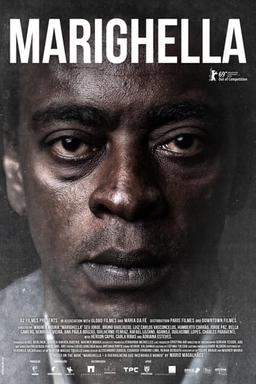
Set in Brazil during the military dictatorship, Marighella follows the life of Carlos Marighella, a Brazilian politician and activist who fought against the oppressive regime. The film explores themes of fascism, racial issues, torture, and political oppression. It depicts Marighella's struggle to create a democratic society in the face of a brutal dictatorship.

Fefê, a digital influencer who decides to run for governor of Rio de Janeiro as a joke, ends up winning the election.

"Impressões" rescues the history of the Brazilian press since 1808, when the "Correio Brasiliense" clandestinely reached Rio de Janeiro after being edited in London by Hipólito José da Costa, and spans until 1986. It's the first documentary to depict the history of the Brazilian journalistic press.


After eight years of a political exile imposed by the Brazilian military dictatorship, sociologist Herbert de Souza returns to his homeland. Alongside democracy activists, he faces the arrival of AIDS and puts the devastating impact of hunger under the spotlight. Overcoming his fragile health and personal tragedy, he creates the largest social awareness campaign in Brazilian history.

The Edge of Democracy is a powerful documentary that explores the turbulent political history of Brazil, focusing on the rise and fall of democracy. It delves into the political polarization, corruption, and abuse of power that have plagued the country, with a particular focus on the impeachment of President Dilma Rousseff and the subsequent election of Jair Bolsonaro. Through a combination of personal stories, interviews, and archival footage, the documentary unravels the unraveling of democracy in Brazil.

At a time when the far right is ascending to power around the world, the 2020 Brazilian municipal elections saw a surprising and unprecedented record of LGBT candidates. This film follows four young queer politicians during their electoral campaigns and reveals their struggle to affirm their rights to exist and be heard.

21 sequence shots depict moments in a defining night of the Battle of Rua Maria Antônia, in October 1968, from the point of view of the students and professors of the Left-wing Student Movement, in the Philosophy Faculty building of USP.


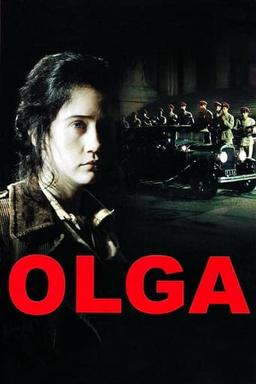
Olga is a biographical drama set in Brazil during World War II. The film tells the story of Olga Benário, a Caucasian woman who became involved in Brazilian politics and fought against the rise of fascism. It explores her relationships, including her marriage to a communist leader, and the challenges she faced during the war. Olga's life takes a tragic turn when she is captured and deported to Nazi Germany, where she faces imprisonment in a concentration camp.