Movies and TvShows featuring "brandenburg" theme.
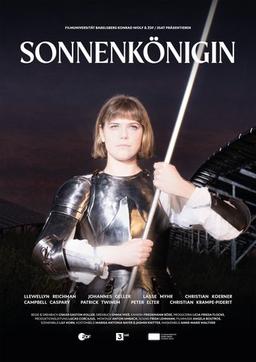
In this film, shot in Drachhausen/Hochoza in southern Brandenburg, film students from Potsdam reinterpret Schiller's play ‘Die Jungfrau von Orleans’ (The Maid of Orleans) and set it in Lower Lusatia. Johanna, the harvest queen, campaigns for the expansion of a solar park. She is celebrated by many for this, but some are hostile towards her. After the cock plucking/łapanje kokota, a scandal erupts in the ballroom.

A group of literature enthusiasts from East Berlin embark on a comedic journey to explore the historical and cultural importance of the Brandenburg Marche. Through their hilarious experiences, they gain a deeper understanding of their own heritage and the power of literature.

Love in Thoughts (2004) is set in Weimar Germany and follows a group of teenagers who form a close friendship over the summer. The plot revolves around a love triangle, rebellion, and manipulation. One of the friends, Paul, falls in love with his best friend, Guenther's, sister, Hanne. However, Hanne is also involved with Guenther, leading to tension and jealousy. As the plot progresses, the consequences of their actions become more apparent, ultimately leading to tragedy and suicide. The movie delves into themes of love, friendship, betrayal, and the destructive power of manipulation.

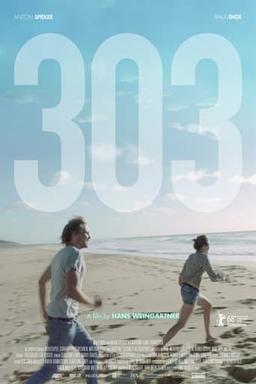

303 is a road trip movie about a university student named Jule and a free-spirited guy called Jan who are both looking for their place in life. They embark on an adventure together, traveling across Europe in a Mercedes caravan. Along the way, they have deep conversations, fall in love, and discover themselves and each other.

In the middle of untouched nature, surrounded by forests and grain fields of the Brandenburg province, the fictional village of Unterleuten with only 250 inhabitants is located. Thirty years after the fall of the Berlin Wall it seems a peaceful place for both locals and newcomers. But the appearance of rural idyll in eastern Germany is deceptive. There are turnaround winners and turnaround losers, friends and enemies, neighbors eyeing each other with suspicion, gossip, old secrets and hidden conflicts. When the mayor puts forward the proposal to have a company build a wind farm with dozen of wind turbines in order to secure the prosperity and future of the locals, the open fight for the only possible piece of land begins, which unfortunately belongs to three different owners. Everyone sees big money for themselves. Alliances are formed and friends become enemies. In addition, an unscrupulous vulture capitalism investor from southern Germany interferes that causes the glass to overflow.
Longing is a melodramatic film set in a German village that revolves around a love triangle and explores themes of desire, infidelity, and guilt. It tells the story of a fireman who is torn between his secret love for a waitress and his commitment to his wife. The film also delves into the lives of other villagers, including a locksmith and a dancer. As the plot unfolds, the characters navigate through a series of emotional challenges and confront their desires and secrets. Longing also touches upon themes of suicide, village life, and family dynamics.

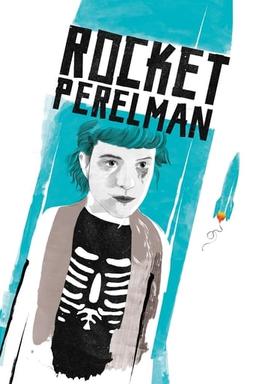
In the artist colony Rocket Perelman ten people strive to live their version of freedom and independence - everybody for themselves and all together. But that's hard work, since the joined theatre production puts the groups' idealism to a hard test.

A slightly sinister but charming young man falls in with a young mother and daughter and her boyfriend on a camping holiday and leads them astray.

László Kovács, auteur filmmaker, is denied funding for his film project: too old, white and heart problems to boot! Conclusion: no longer employable. Wasn’t the Hungarian from Lake Balaton aiming high? What now? Continue to be on his successful wife’s back? László slips into a real life crisis and initially finds solace in the fascinating attraction of a “crazy woman” from the neighbouring village. But when a right-wing populist stands as the only candidate for mayor in the village of 120 souls, László comes to his senses. In order to “prevent the right-wing idiot”, he puts himself forward as a liberal counter-candidate. The only question that remains is whether László’s marriage and he himself will survive the village election campaign?

25 years after the reunion between East and West Germany, this movie shows pictures from different perspectives of people and country, during a glide flight above the metropolis. Which visions and dreams marked this region? What changed and what emerged from the city’s contentious history? We take a look from above to see the city and its citizens.

Herr Wichmann von der CDU follows the campaign of Herr Wichmann, a candidate in the German political party CDU. The documentary explores his defeat in the election campaign and the challenges he faces in Brandenburg. It sheds light on the world of German politics, the dynamics within the party, and the camaraderie among male politicians. Money and power play an important role in this engaging documentary.

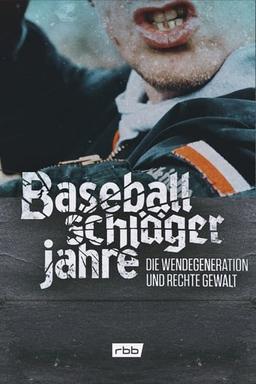
Baseballschlägerjahre - Die Wendegeneration und rechte Gewalt(2020)
After the end of the GDR, thrashings, threats and hunts were part of everyday life. In the years after the reunification of the early 1990s, hatred, racism and violence against foreigners and supporters of leftist ideology broken out in Eastern Germany. Most of those involved was young people. In many cities and towns, the streets and squares belonged to the right-wing scene, organized in neo-Nazi comradeships. Bomber jackets, combat boots and the Hitler salute showed the intimidated rest where they were. The baseball bat was a popular weapon. There were riots, attacks on asylum seekers' homes, mass brawls and hunt downs to those who look or think differently. It doesn't took long and the first deaths were to be mourned. The majority of the Eastern German population looked the other way or even applauded the deeds. A bad omen for the political development of later years. In six film segments, a team of authors take a look at the time reflected in interviews with contemporary witnesses.

Over the past 18 months, journalist Thilo Mischke has conducted research for ProSieben within right-wing networks and met supporters of various right-wing and right-wing extremist groups. In the "ProSieben Special: Right. German. Radical." he pursues the question: "Is our liberal democratic basic order in danger?


Karl-Heinz Schneider travels once again to his former homeland. In his pictorial and masterful narrative style, the author lets us participate once again in his childhood and youth days and vividly shows us the history, culture and people of the former Brandenburg district of Weststernberg.
No More results found.