Movies and TvShows featuring "armenian-history" theme.

The Armenian Genocide is a documentary film that delves into the systematic mass murder and deportation of the Armenian people by the Ottoman Empire during World War I. It discusses the historical context, the testimonies of survivors, and the denial of the genocide by the Turkish government. The film sheds light on the crimes against humanity committed during this tragic period of history.

Architects of Denial is a documentary film that exposes the horrors of the Armenian Genocide, the systematic mass murder of Armenians by the Ottoman Empire during World War I. The film examines the denial of this genocide by the Turkish government and highlights the importance of recognizing and acknowledging historical atrocities.
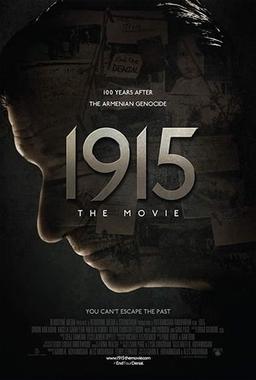
1915 is a historical drama that takes place during the Armenian Genocide. The story follows an Armenian-American stage play production in Los Angeles and explores the challenges faced by the Armenian community. It depicts the struggles of a soldier and the deportation of Armenians, providing a glimpse into the tragic events of the time. The film combines elements of historical fiction with a focus on Armenian history and culture.
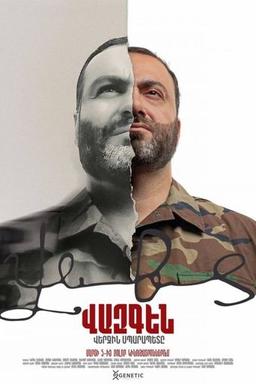
Based on true events, the film presents nearly all stages of national hero Sparapet Vazgen Sargsyan's life, intertwined with significant events in the modern history of our country.
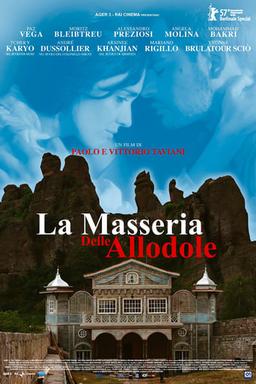
During the Armenian Genocide, a family living on a farm in Turkey is faced with the destruction of their civilization and must struggle to survive.
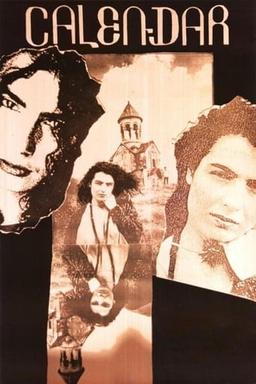
In Calendar, a photographer travels to Armenia to search for a missing person. Along the way, he encounters ruins, churches, and cultural alienation. Through his photography, he captures the essence of Armenian culture and history. As he delves deeper into his search, he learns about the complexities of identity and family relationships. This comedy-drama romance explores themes of love, loss, and cultural heritage.

Intent to Destroy: Death, Denial & Depiction(2017)
 92%Tomatometer
Intent to Destroy: Death, Denial & Depiction is a documentary film that explores the historical and political aspects of the Armenian Genocide, a mass murder committed by the Ottoman Empire during World War I. The film discusses the denial of the Armenian Genocide by the Turkish government, the efforts of historians and witnesses to reveal the truth, and the representation of the genocide in media and art. It sheds light on the crimes against humanity and the lasting impact on the Armenian diaspora.
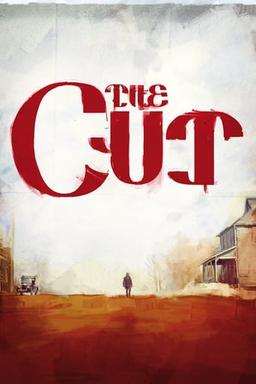
In 1915, during the Armenian genocide, a blacksmith named Nazaret is separated from his wife and twin daughters. He embarks on a perilous journey to find his daughters and reunite his family amidst the chaos and violence of war.
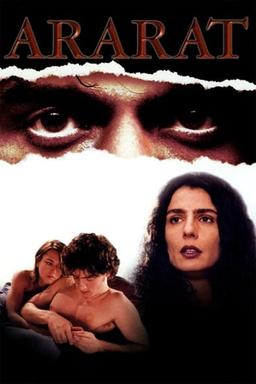
Ararat (2002) is a drama film that explores the Armenian Genocide. An Armenian filmmaker is making a movie about the genocide while facing backlash and denial. The film delves into the personal lives of the characters and their experiences during this dark period of history. It also touches upon themes of identity, art, and the lasting effects of trauma.

588 rue Paradis is a heartwarming comedy-drama that tells the story of an Armenian man who escapes the horrors of the Armenian Genocide and settles in Paris. The film explores themes of immigration, family, and the challenges faced by the Armenian diaspora in their struggle for survival. It offers a unique perspective on Armenian history and the lasting impact of the Ottoman Empire.

The Armenian national hero, David Bek, leads a major Armenian uprising against Safavid Persia in the Syunik region in the 18th century.
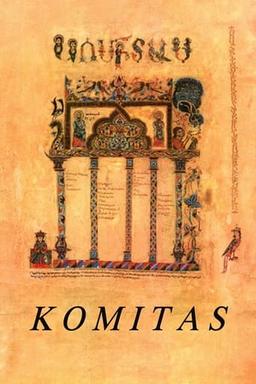
The film is dedicated to the Armenian monk and genius composer Komitas, and the 2 million victims on his people in Turkey in 1915. The final 20 years of Komitas life were spent in various mental hospitals. The destiny of Komitas? This is the magic beauty of Armenian culture and the abhorrent brutality of Armenian history. A cultural and artistic world that was slaughtered with a curved knife. A humanity that doggedly advances towards an apocalyptic catastrophe, that does not recognize its own original purpose, eradicates its own memory, its final roots.

Aurora Mardiganian, a genocide survivor, escapes slavery and becomes a silent movie star. Despite facing Hollywood greed, she embarks on a journey to inform the world about the Armenian Genocide.

In 1980s France, a traumatized Armenian survivor seeks revenge for the crimes against humanity committed by the Ottoman Empire. With a wheelchair-bound man using terrorist tactics, the plot unfolds in Berlin as he plans to assassinate the ambassador of the Turkish embassy.
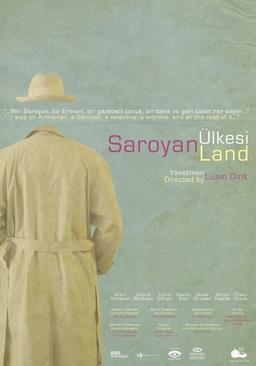
Saroyanland is a docu-drama focusing on the journey of famous writer William Saroyan to the birthplace of his Armenian family Bitlis, in Turkey in 1964. While retaking the same road, the film aims to understand Saroyan's unique attitude to belonging, witnessing the self-discovery of a man who followed the traces of his Armenian ancestors.

Several directors from countries of the region were invited to create stories taking place in and around the beautiful city of Istanbul, in the vein of “Paris, je t’aime” and “New York, I love you”. They come together to remind viewers that Istanbul’s history does not belong only to the people of Turkey.

An anthology film following different stories around the theme of invisibility in the modern world.

Two part film about David Bek and Mkhitar Sparapet's major Armenian uprising against Safavid Persia in the Syunik region in the 18th century.

Screamers is a documentary film that delves into the music and activism of the Armenian-American rock band, System of a Down. The film explores the band's efforts to raise awareness about social justice issues, particularly the Armenian Genocide, as well as their personal experiences as Armenian-Americans.

International auditor Alain has arrived to appraise the airport of a small self-proclaimed republic in the Caucasus to green light its eventual reopening. Through Edgar, a local boy running a make-shift business in the airport, Alain will risk all to help this isolated territory to open up.