Movies and TvShows featuring "arab-culture" theme.

Tash ma Tash is a popular comedy sketch show from Saudi Arabia that has been on air since 1994. It is known for its satirical take on various aspects of Saudi Arabian culture and society.
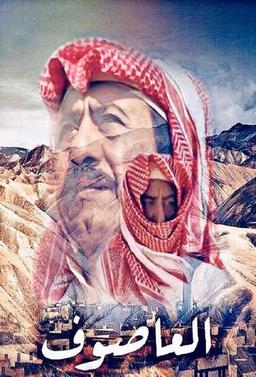
Al Asouf is a captivating historical drama TV show set in Saudi Arabia during the 1970s and 1980s. It explores the lives of an Arab family and the challenges they face in a rapidly changing society. The show delves into the rich history and cultural nuances of the Arabian Peninsula, while also highlighting the complexities of family relationships.

Al Zeer Salem tells the epic story of a warrior from the Himyarite Kingdom seeking revenge for his tribe in the Kingdom of Kindah. The show explores the rich Arabic culture and showcases the beauty of the Arabian Peninsula through stunning cinematography. It delves into family relationships, particularly the complex bond between two brothers. Filled with action, drama, and historical references, Al Zeer Salem is a captivating portrayal of the ancient Arab world.
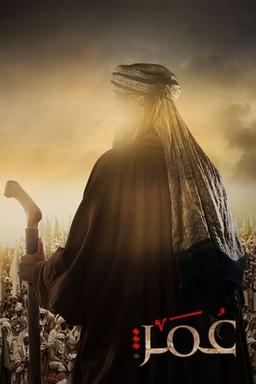
Omar is a biographical drama that depicts the life of Omar Ibn Al-Khattab, a prominent figure in Islamic history. The show chronicles his journey from a fierce opponent of Islam to one of its most influential leaders. It explores his conversion to Islam, his role as the second caliph of the Rashidun Caliphate, and the challenges he faced in establishing and spreading Islam.
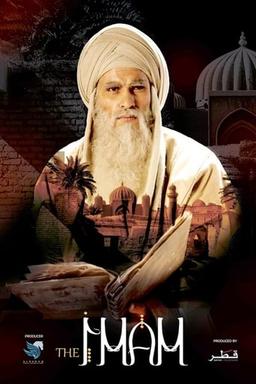
The life story of the fourth Imam of Islam, Ahmad ibn Hanbal.

A one-hour series showcasing documentary films from across the Al Jazeera Network.
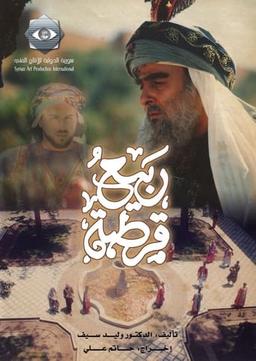

The story of the Umayyad dynasty, which wrote an unforgettable history, stretched from the east to the west.

Muhammad: The Messenger of God is a movie based on the life of Prophet Muhammad and the rise of Islam. The film showcases his journey from being a messenger of God to establishing the religion of Islam.
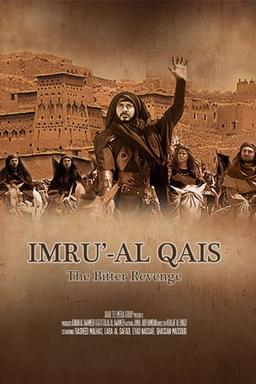

Algerian youth of the 1960s, straddling traditional South Mediterranean and Western culture and the desire for emancipation of younger generations to find true love.

A historical saga that follows the demise of the Umayyads in the East by the Abbasids in Khurasan, and the escape of Abd al-Rahman ibn Mu'awiya ibn Hisham ibn Abd al-Malik (Abd al-Rahman I) from the Abbasids. As it follows his journey till he reached Andalusia and how he came to ruling it.

Sparked by the true story of Aya, a four-year-old Jordanian girl killed by her father because he believed her to be possessed, filmmaker Dalia Al Kury launches a fascinating investigation into a controversial and little-known aspect of Islamic culture: belief in djinn. The djinn are believed to be supernatural creatures that occupy a parallel world to ours and their emergence is associated with sexuality, political unrest, poverty and mental illness. The taboo subject of demonic possession remains broadly unresolved in the hearts and minds of some Muslims due to its complex and uncomfortable nature. Using a subjective, “undercover” style, Al Kury journeys into the obscure world of exorcists and the possessed, confronting their traditions and rituals. It makes for a telling ghost story that bares the filmmaker’s and her society’s subconscious underbelly.
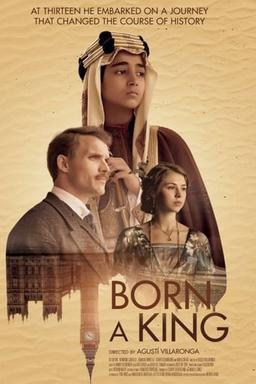
Born a King is a historical drama that depicts the journey of King Faisal Al Saud, who embarks on a diplomatic mission to the United Kingdom at a young age. Set in the backdrop of the 1919 Treaty of Versailles and the onset of the Arab revolt, the movie showcases the challenges and triumphs faced by the young king in establishing his kingdom and shaping the future of Saudi Arabia.
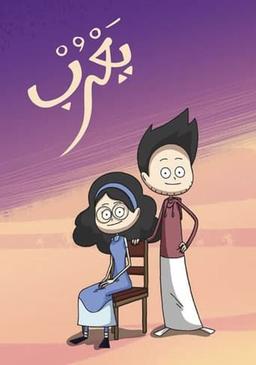
It tells the story of a Saudi family with limited income, consisting of Yarub and his sister Asrar and their grandfather. The family goes through strange adventures. Yarub is destined to face Al-Harith, who seeks to destroy the world, but Yarub does not know his fate.

Abderrahim is a mechanic and singer in his spare time. One day, he receives a car to repair, driven by a very beautiful girl. It's love at first sight. They want to get married and start a family, but the girl's parents do not view this love favorably. They decide to marry their daughter to another man. Subsequently, Abderrahim became a famous singer. The loss of her love leaves the young girl in a state of silence from which only Abderrahim can break her.

Filmed in Cordoba, Granada, Seville, and Toledo, this documentary retraces the 800-year period in medieval Spain when Muslims, Christians, and Jews forged a common cultural identity that frequently transcended their religious differences, revealing what made this rare and fruitful collaboration possible, and what ultimately tore it apart.
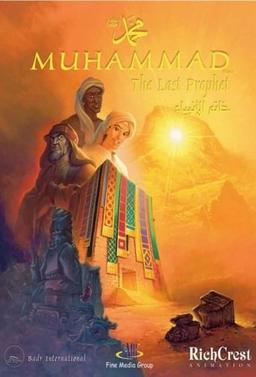
Muhammad: The Last Prophet (2002) tells the story of the life and teachings of Prophet Muhammad, the founder of Islam. Set in 7th century Arabia, the movie explores the challenges he faced in spreading his message of monotheism in a society plagued by idol worship and religious persecution. From his birth in Mecca to the battles he fought and the triumph of his religious conversion, Muhammad's story is one of faith, conviction, and the struggle for religious freedom.

Originally commissioned by the city of Algiers to promote tourism, Mohamed Zinet’s Tahia ya Didou blends documentary with fiction to create a poetic, acerbic and rapturous portrait of the director’s native city. The camera travels freely, through the port, market, streets and cafés, capturing everyday people, some of whom recur frequently enough to seem like protagonists. The nominal plotline follows a French tourist couple’s leisurely visit to the city, the man having previously served in the army during the Algerian war. As they walk around, his comments betray his mindset’s racist colonial prejudices, while his wife reiterates asinine clichés. Their unhurried wandering is interrupted when he comes across a blind man and realises that he tortured him during his army service. The film is punctuated with punchy sequences that show a poet named Momo delivering verse as an elegy for Algiers.

Yallah! Underground follows some of today’s most influential and progressive artists in Arab underground culture from 2009 to 2013 and documents their work, dreams and fears in a time of great change for Arab societies. In a region full of tension, young Arab artists in the Middle East have struggled for years to express themselves freely and to promote more liberal attitudes within their societies. During the Arab Spring, like many others of this new generation, local artists had high hopes for the future and took part in the protests. However, after years of turmoil and instability, young Arabs now have to challenge both old and new problems, being torn between feelings of disillusion and a vague hope for a better future.