Movies and TvShows featuring "anti-drugs" theme.



Duncan Pinderhughes, a high school student, is mistakenly identified as a genius and finds himself involved in a series of hilarious situations. Along with his parole officer, Duncan must navigate through a world of deception, drug use, and organized crime while trying to maintain his ruse.
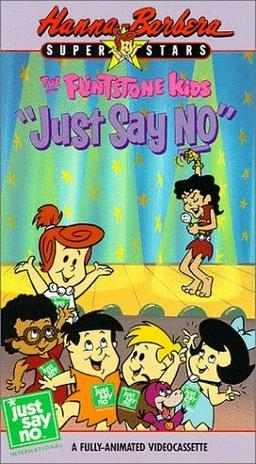
A special that shows the young Flintstones trying to raise money so they can go to a concert. The story takes a turn when older kids try to push drugs on them.
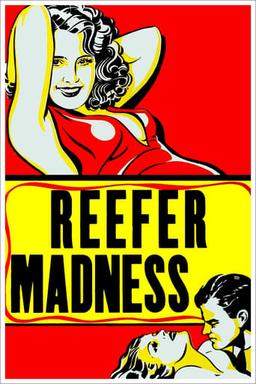
Tell Your Children tells the story of a group of young people who get involved with drugs and the tragic consequences that follow. The film highlights the negative effects of marijuana and portrays it as a gateway drug leading to addiction, hallucinations, and reckless behavior. It serves as a propaganda film to discourage drug use.

Jeanette, a pretty high school student, is looking for “kicks”. She starts hanging out with a wild crowd, and begins popping bennies, uppers and other pills. Soon she graduates from barbiturates to marijuana…

Middle class teenagers Jill, Felipe and Eddie, talk about their addiction and drug-related death.

An educational video exploring drug addiction, including footage of real-life addicts going through rehab therapy.
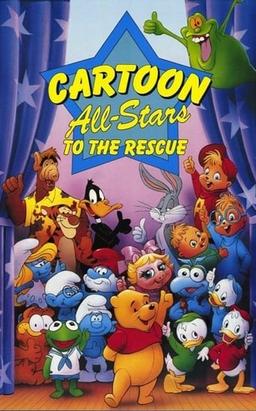
Cartoon All-Stars to the Rescue follows a teenager named Michael, whose life takes a turn for the worse when he starts using drugs. As he spirals deeper into his addiction, his favorite cartoon characters come to life and embark on a mission to help him. Through a series of educational and musical adventures, the cartoon all-stars teach Michael about the dangers of drug use and the importance of making positive choices.
Set in New York City in the 1990s, community activists seek to rid their neighborhood of the anguish, brutality, and violence associated with local drug dealers.

Early "shockumentary", apparently shot in Egypt, which documents the habits of opium addicts. The interiors of drug dens are shown, and at the conclusion the film an addict is shown collapsing on a sand dune; the booming voice of the narrator informs us that the addict has perished. Footage used is from the silent film Dope Fiends.

Three sailors are talked into trying LSD and marijuana--which, this film implies, are basically the same thing--and the effects of the drugs endanger the lives of their fellow sailors aboard ship.
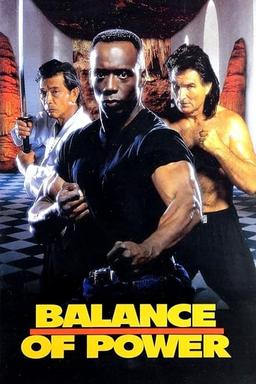
A martial arts expert who runs a dojo for under-privileged kids from a dilapidated warehouse is shaken down by gangsters demanding protection money. Then when one of his students is gunned down in the street by the gang, he swears revenge. Meanwhile the gang leader is setting up a death match between the best fighters and is forcing a former trainer to find a new champion by threatening his granddaughter.

An educational film sponsored and distributed by the Los Angeles-based Narcotic Educational Foundation of America and directed by Gilbert Lasky with financial assistance of the Woman’s Relief Corps targets teachers as well as junior and senior high school students in the war on drugs. Narcotics are classified and effects of opiates, stimulants, and barbiturates are summarized and dramatized
Cautionary anti-drug film based on a true story about the effects on Jean Stapleton and Arthur Hill when their teenage son (John Putch, Stapleton's real-life son) gets spaced out on a marijuana joint laced with PCP, or "angel dust," and the family is forced to wrestle with the crisis.
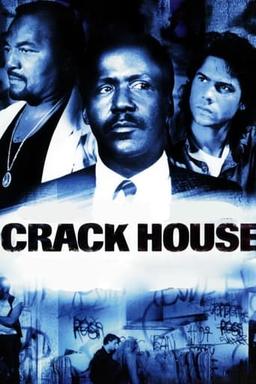
Rick and Melissa are a pair of young lovers hoping to get out of the slums for good and escape the poverty and crime their families and friends have gotten involved in. All this comes to an end when Rick feels he must rejoin his old gang to avenge the killing of his cousin by a rival gang. In the course of getting even, Rick is arrested, leaving Melissa without anyone to protect her. She falls in with a crack dealer and quickly becomes addicted to the drug. When she gets taken by a drug kingpin to settle a debt, only Rick can save her.

Marty, a "good boy," experiments with marijuana and experiences "profound mental and emotional disturbances." As in all anti-drug films of this vintage, marijuana leads straight to "H," and Marty's decline continues until he is busted, rehabbed and reformed. Drug Addiction's stilted view of the urban drug culture and unrealistic portrayals of stoned slackers make it entertaining viewing today. It belongs to that little-known "second wave" of anti-drug films, the postwar scare stories about middle-class kids overcome by junkiedom. What this wave of films reveals is that drugs were an issue for white adolescents long before the psychedelic Sixties, and that the official response to the threat expressed a general, not specifically targeted paranoia.

A new principal comes to the underdeveloped village school that is affected by lazy teachers and drugs.
A high school student faces a moral dilemma, should he turn in a friend who is dealing pills.
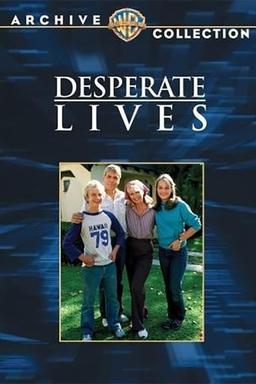
A brother and sister get caught up in the drug scene in their local high school, with tragic results.
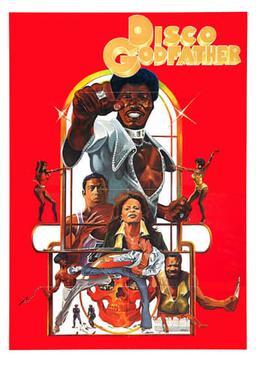
Disco Godfather (1979) tells the story of Tucker Williams, a former cop and now owner of a popular nightclub. When his nephew becomes addicted to a new deadly drug called "angel dust," Tucker takes it upon himself to clean up the streets and take down the drug dealers responsible. With his martial arts skills, determination, and disco moves, Tucker becomes the Disco Godfather, leading a relentless fight against drugs and corruption. Can he put an end to the drug epidemic and save his community?