Movies and TvShows featuring "algerian-history" theme.
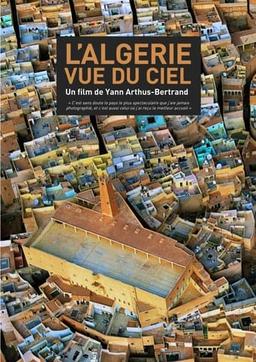
Experience the stunning landscapes, vibrant culture, and rich history of Algeria through breathtaking aerial footage.
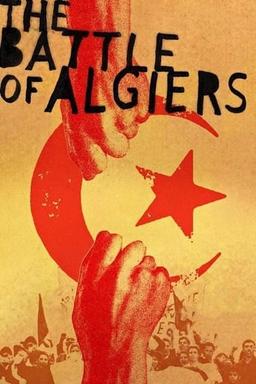

The Battle of Algiers is a powerful docudrama depicting the violent conflict between the National Liberation Front (FLN) and the French colonial government during the Algerian War of Independence. The film explores the tactics employed by both sides, including guerilla warfare and acts of terrorism, as well as the impact of the conflict on the civilian population. It is based on true events and provides a harrowing account of the Algerian people's fight against oppression.

North Africa, 1954. The Algerian war of independence begins, a traumatic and extremely violent catastrophe that for eight long years will shake and finally overthrow the foundations of the colonial regime established by France in 1830.
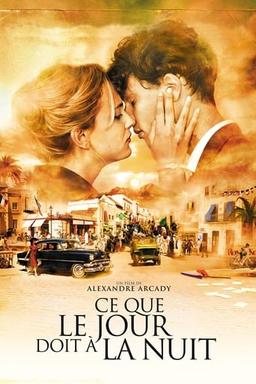
What the Day Owes the Night follows the story of a young Algerian man, Younes, who falls in love with a Muslim woman and becomes involved in the armed resistance against the French occupation. The film explores themes of regret, love, racism, and the struggle for Algerian independence.

Inspired by the legendary Princess Zaphira, this movie depicts her fight to defend her community from the pirate Barbarossa and protect her people from harm.
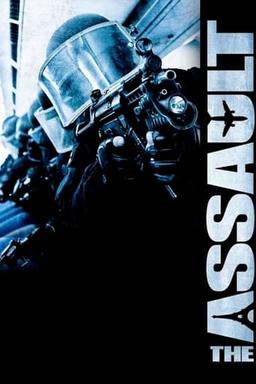
During the Christmas season in 1994, an anti-terrorist squad in Algiers, Algeria, must deal with an airplane hijacking by a terrorist group. The hostage situation puts the lives of innocent passengers at risk and tests the courage and determination of the French military and their efforts to bring the situation under control.
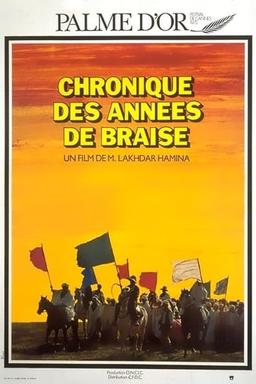
Chronicle of the Years of Fire (1975) is a historical drama that depicts the Algerian resistance against French colonialism and their fight for liberation. Set in the 1940s and 1950s, the film explores the harsh realities faced by Algerians under French occupation, including racial segregation, political activism, and the struggle for independence. It highlights key moments such as massacres, the involvement of Nazi Germany during World War Two, and the guerilla warfare tactics used by the Algerian rebels.

Patrol in the East is a powerful war movie set during the 1950s in Algeria, portraying the struggle for independence against French colonialism. The story follows a French infantry unit as they navigate through dangerous terrain, facing off against the Algerian resistance. The film explores the complexities of war, the clash between army and civilians, and the fight for freedom in a country torn between cultures.

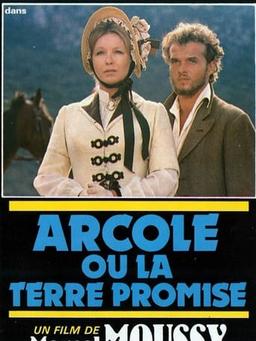
This film, is about the courage and the determination of a young woman in djurdjur"as mountain in Algeria, fighting for her ancestor land during the earlier years of french occupation.
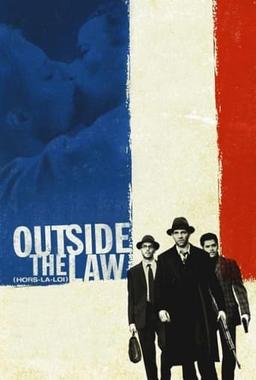
Outside the Law is a thrilling movie set during the Algerian War, showcasing the struggles of three Algerian brothers fighting for independence against the French colonial regime. Filled with action, drama, and historical significance, the film explores themes of resistance, revenge, and the consequences of colonialism. Inspired by real-life events, it is a captivating portrayal of the fight for freedom in North Africa.

This film is devoted to Algeria's vast equipment plan which has fostered the development of the ports of Algiers and Oran. The inauguration of new aerodromes, roads, the construction of dams and power stations, the development of coal production, the textile and metallurgical industry, the opening of canneries, as well as the phenomenal boom in production of wheat and wine.

World War II, June 1940. France has fallen and suffers the relentless boot of Nazi Germany. But Algeria, the prized French colony in North Africa, remains part of the territory controlled by the Vichy regime of Marshal Pétain. A strict colonial order is maintained: the French of European origin rule, while local Jews are stripped of French citizenship and discrimination against the mainly Muslim population increases.
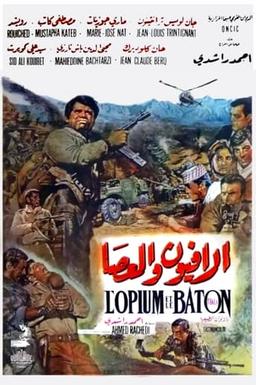
In 1950, in Algeria, in a village in Kabylia, Algerian resistance fighters resisted the French occupation army. Bachir returns to the village to escape the clashes ravaging Algiers. In Thala, he has two brothers, Ali and Belaïd. The first is engaged with the ALN (The National Liberation Army) and fights against the colonizer. His second brother, Belaïd, the eldest, is convinced of a French Algeria. His family torn apart, Bachir decides to join the war and takes sides against the repression of the French army. The French army is trying in vain to turn the population against the insurgents by using disinformation. The more time passes, the more the inhabitants of the village and surrounding areas, oppressed, rally to the cause of the FLN, their houses and their fields will be burned... Adaptation to the cinema of the eponymous novel Opium and the Stick, published in 1965, by Mouloud Mammeri, the film was dubbed into Tamazight (Berber), a first for Algerian cinema.
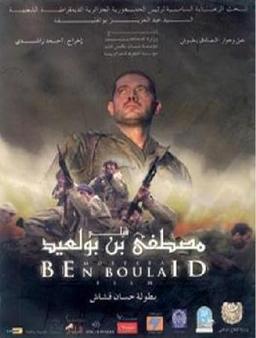
During the French-Algerian War in the 1940s, Mostefa Ben Boulaid becomes a resistance leader and leads a group of Algerian fighters against French colonialism. He plans a daring escape from prison, digs a tunnel, and forms an escape plan. With the help of an Algerian woman and other revolutionaries, they struggle for independence and face war crimes committed by the French army.

The Epic of Cheikh Bouamama is a gripping movie set in 19th century Algeria. It tells the story of Cheikh Bouamama, a tribal leader who leads the resistance against the French colonial forces. The film explores the themes of war, rebellion, sacrifice, and the strength of the human spirit.

In 1895, young journalist Albertine Auclair arrives in the Kabylie during a family visit. The beauty of the region seduces her but she soon learns of the struggles of the native Algerians. She hears in particular about Arezki El Bachir, who was recently sentenced to death by the colonial justice system, and decides to find out more about this extraordinary man.
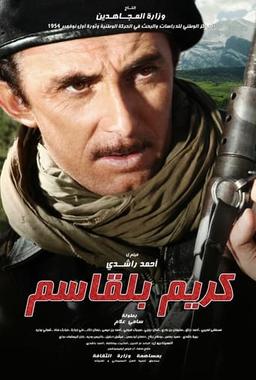
This film retraces the combat journey of Krim Belkacem, one of the leading figures of the Algerian War. When he left the Dellys barracks in October 1945, the day after the Second World War, Krim Belkacem was 23 years old. He is a man revolted by the May massacres in Sétif, Guelma, Kherrata and several other localities in the ravaged country. But it is also and above all a young Algerian who questions the future of Algeria. On March 21, 1947, Krim at the age of 25, he dug up his "Sten" submachine gun, he took action against the boss of his douar who was none other than his cousin. He goes into hiding with six companions. He meshes this entire part of Algeria with a dense and dense network with the sole objective of taking action which will lead to the outbreak of the armed struggle on November 1, 1954.
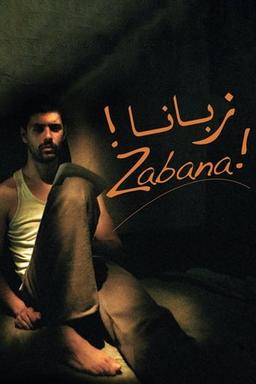
Algeria's entry for a Best Foreign Language Film Oscar, "Zabana" chronicles the life of Ahmed Zabana, a man who fought for Algerian freedom in the Battle of Algiers. This film chronicles Zabana's fight to free his country to independence, and his death at the hands of French authorities.

Depicts the life of Sidi Lakhdar Ben Khlouf, an eminent symbolic figure who is part of the memory of Algerian poetry and popular fight. Sidi Lakhdar Ben Khelouf became famous thanks to his poems about the Prophet Muhammad (earning him the nickname "praiser of the Prophet") and the epic he dedicates to the Battle of Mazagran on August 26, 1558, against the Spaniards. Counted among the patron saints of the Mostaganem region, his poems are often interpreted by chaâbi singers.
No More results found.