Movies and TvShows featuring "agrarian-life" theme.

Look & See: A Portrait of Wendell Berry(2016)
 54%Tomatometer
A cinematic portrait of farmer and writer Wendell Berry. Through his eyes, we see both the changing landscapes of rural America in the era of industrial agriculture and the redemptive beauty in taking the unworn path.
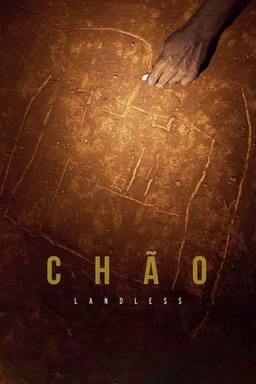
Since 2015, the Landless Workers Movement has been occupying an indebted sugarcane factory's land to press for its redistribution through land reform. Grandma, P.C. and their encamped fellows struggle to conquer a small share of land where they can settle down and live a self-sustainable life, growing agro-ecological crops in a newly knit peasant community they draw in their dreams.
The film captures the activities of the inhabitants in the countryside, in southern Chile, and the CORA (Corporation for Agrarian Reform). Although the action was filmed in four days and four nights in 1971, the movie was only finished in France in 1973, after the military coup.
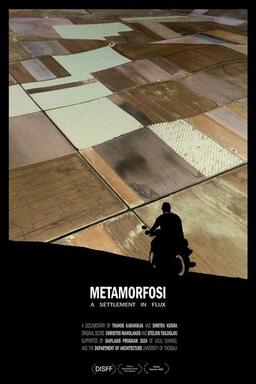
Machines relentlessly working under the scorching sun. Pumps, reels, and unbearable horizons behind corrugated metal sheets that spark at the touch. Eleven months after the devestated floods of 2023, the rural greek settlement of Metamorfosi, awaits the end of a suffocating August and its inevitable transformation.
In this thought-provoking documentary, the connection between people and nature is explored through the mundane yet profound tasks of sowing, weeding, building, and harvesting. Callused hands and stooped backs tell an unspoken story of agrarian life.

Former governor Arthur A. Link has become virtually a mythic figure in the North Dakota consciousness. Art Link was governor of North Dakota during the first great energy crisis in the 1970s. On October 11, 1973, Governor Link delivered what is widely regarded as North Dakota's "Gettysburg address". His credo, written in the margins of his prepared speech moments before he was introduced, is known by its opening phrase: "When the landscape is quiet again." This is the story of that man, that speech, and the landscape that inspired it.
No More results found.