Movies and TvShows featuring "1930s-literature-on-screen" theme.


In A Stolen Life, a woman named Kate finds herself living the life of her twin sister, Patricia, who steals her identity and tries to take everything away from her. This psychological drama explores themes of deceit, identity, and sibling rivalry.

Kater Mikesch is a German television series.
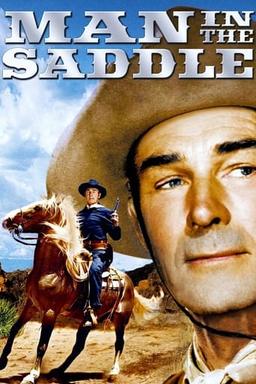
When a ranch owner is targeted by a greedy man and his hired gun, he must take a stand to protect his land and the woman he loves. With mistaken identities, romantic rivalries, and attempts on his life, the rancher must navigate through a web of deceit and danger to survive.
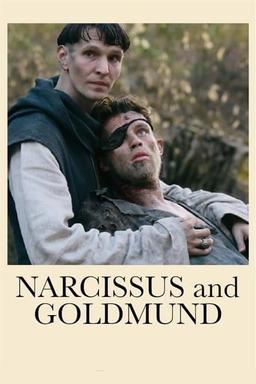
Narcissus and Goldmund tells the story of a young man named Goldmund, who embarks on a journey of self-discovery and artistic expression. Set in the Middle Ages, Goldmund leaves the confines of a monastery and explores the world, encountering various characters and experiences along the way. His encounters with Narcissus, a scholar and monk, spark a deep friendship and bring out hidden desires and tensions. The story explores themes of identity, sexuality, and the search for meaning.

In 'Night Must Fall', a psychopath preys on the residents of a quiet village, especially targeting a widow. The mentally ill protagonist's true nature is slowly revealed as the plot thickens, leading to a tension-filled climax.

In the small mountain town of Kalimagdora, a woman named Sarah discovers that she has the ability to experience all four seasons in a single day. As she navigates through the whimsical and magical world, she begins to learn more about herself and the town she calls home. With each passing season, Sarah's understanding of life and love deepens, leading her on a transformative journey of self-discovery.
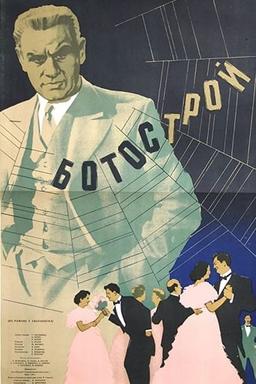
The happenings in a shoe factory serve as a not very thinly veiled examination of the pros and cons of both socialism and democracy.
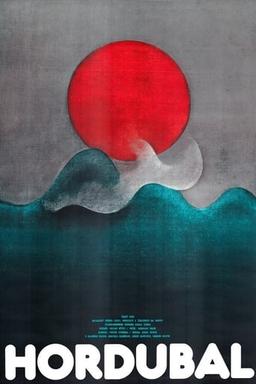
After five years of hard work in America Juraj Hordubal (Anatoliy Kuznetsov) returns back home. He is looking forward to his wife Polana (Libuse Geprtová) and his little daughter Hafie. The family and the village welcome him with hesitation. Everybody believed that Juraj died in America because Polana stopped receiving money from him already two years ago. Polana's farm was prospering first of all thanks to the young stable boy Stepán (Sándor Oszter). Men in the pub first indicate and then say to Juraj directly that Polana has been unfaithful to him with Stepán.
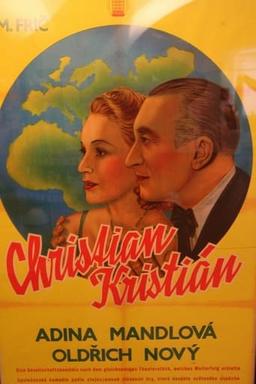
A head waiter pretends to be his own twin brother in order to keep his secret identity as a travel agent hidden from his wife, leading to humorous misunderstandings and a forgotten wedding anniversary.

In late 19th century Czech-speaking Bohemia, oppressed workers at German-owned mines and foundries revolt against their harsh working conditions. Made shortly after World War II as Czechoslovakia was falling to communism, the film resonates in Czech resentment of the German occupation.

A group of students embark on a hilarious journey that takes them deep into their own souls, exploring themes of friendship, love, and self-discovery.

Czech comedy fantasy directed by Jiri Krejcik et al.


On 26 September 1928, Karel Capek and President T.G. Masaryk meet in the gardens of Topolcianky castle to decide about the fate of their joint literary work. Their fiction film dialogue is based on quotes from a future book and their mutual correspondence, considerably freeing the original format of literary conversation from binding conventions. Capek and Masaryk reproach and offend each other, but they also ask key personal questions and questions about the social functions of a writer and politician respectively. "It's a film about two extraordinary men; it's about the fact that emotions can be sometimes more powerful than ideas even in such exceptional people.
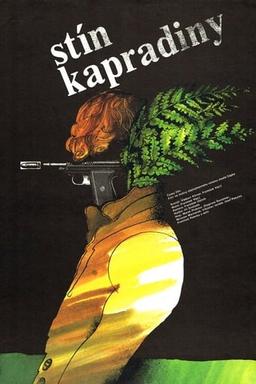
Based on the only extensive prose work by the surrealist painter Josef Capek, Shades of Fern most resembles the philosophical fairy tales and fables of Josef’s older brother, the legendary Czech novelist and playwright Karel Capek. Two young poachers, more boys than men, kill a gamekeeper when they are caught illegally hunting. Panicked, they retreat into a forest that grows steadily more forbidding and deadly as their fear for the future—and guilt over their action—mounts. Loosely based on hundreds of oral folk tales and legends that haunt the woods of Czechoslovakia, Vlácil’s contemporary updating artistically underscores the relationship between man and nature, crime and punishment, isolation and society, and guilt and memory.